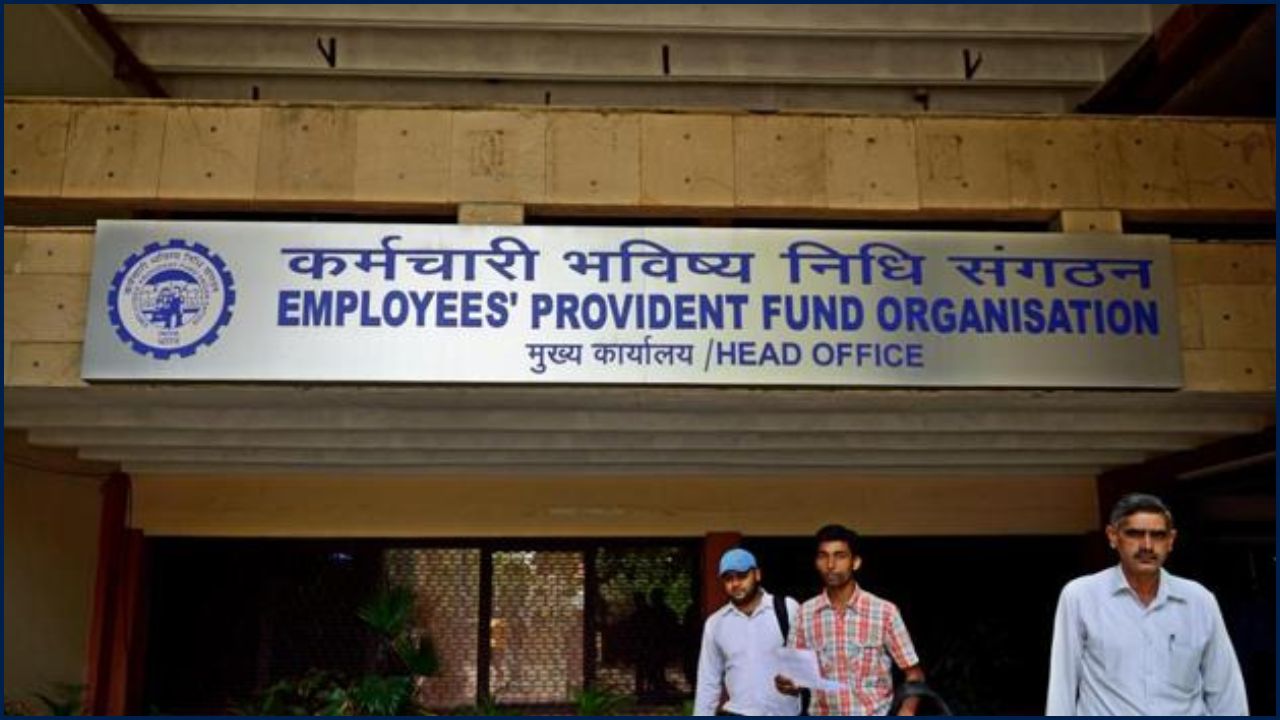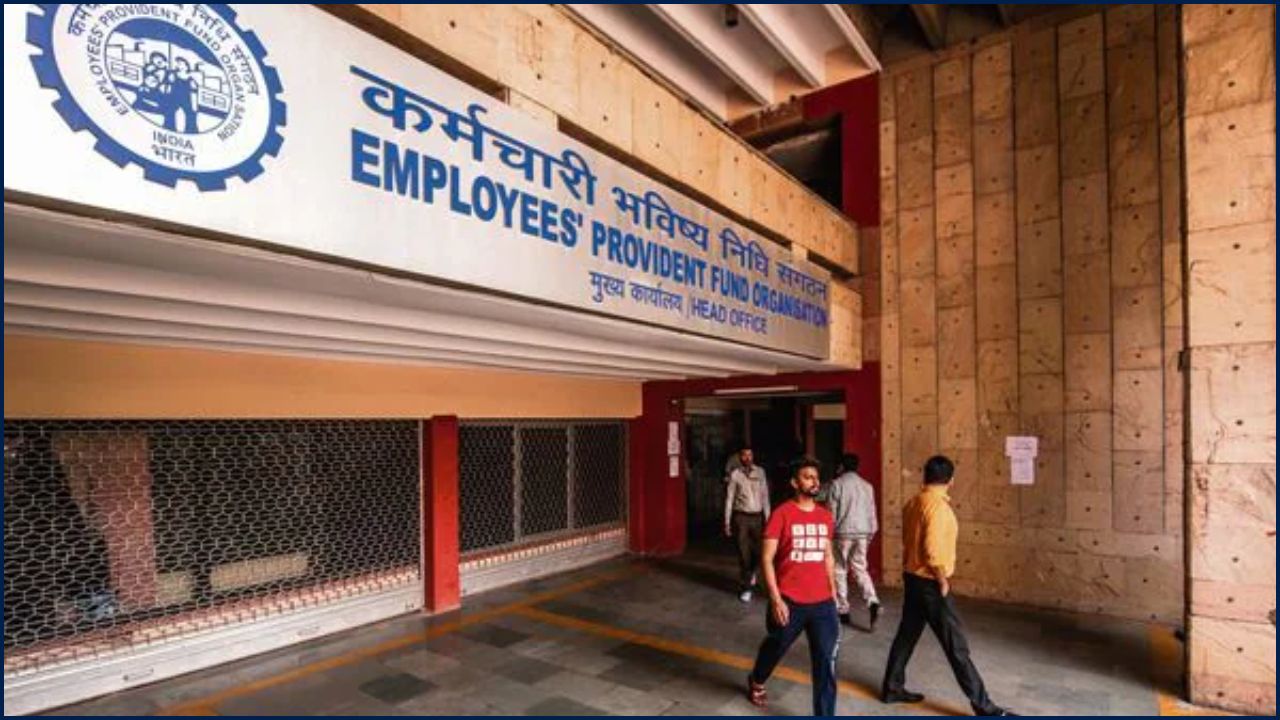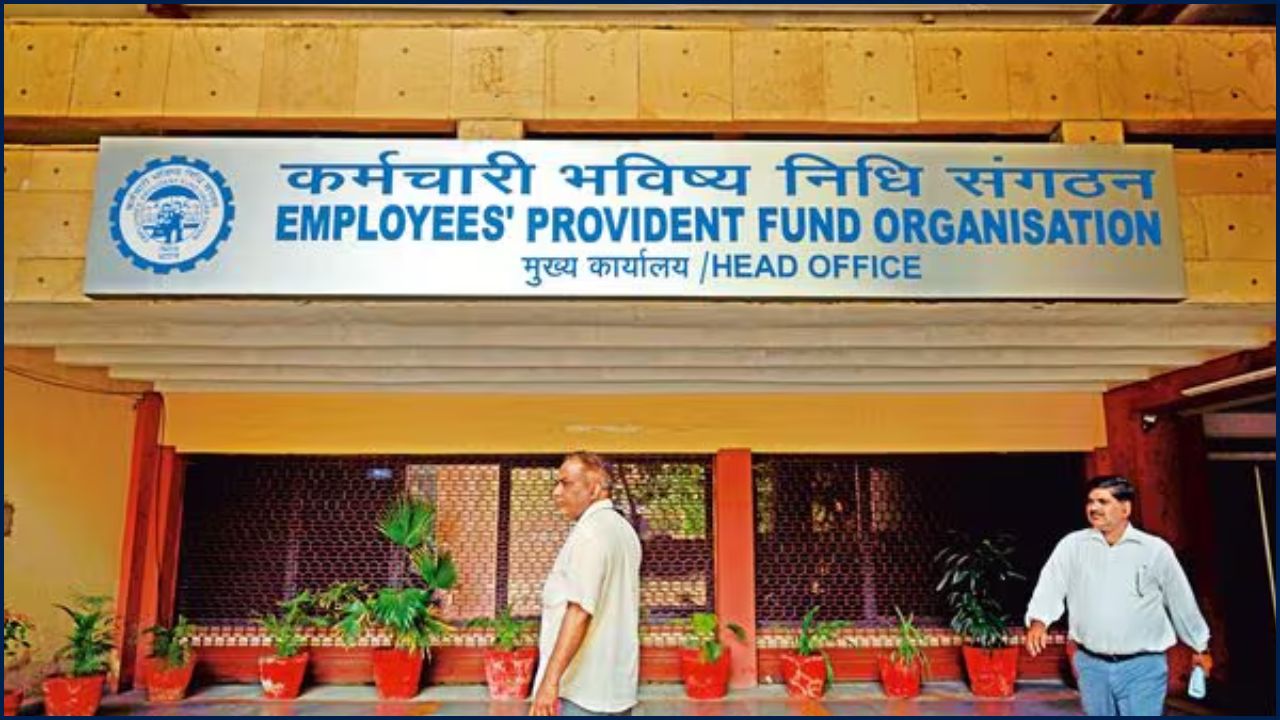
India’s Employees’ Provident Fund Organisation (EPFO) has made it mandatory to link Aadhaar and bank accounts with Provident Fund (PF) accounts. Officials warn that failing to complete the process could delay withdrawals, transfers, or even settlement of retirement savings.
Why Aadhaar and Bank Account Linking Matters
The EPFO requires every worker with a Universal Account Number (UAN) to complete Know Your Customer (KYC) formalities. This involves linking Aadhaar, the national biometric identity, and a verified bank account.
According to the Ministry of Labour and Employment, Aadhaar serves as a secure identity check, preventing duplicate or fraudulent PF accounts. The linked bank account ensures that funds, including claims or pensions, are directly transferred without manual processing.
“Linking Aadhaar and bank accounts reduces paperwork and speeds up claim settlements, which is critical for millions of workers,” said an EPFO spokesperson in New Delhi.
Risks of Not Linking Aadhaar and Bank Accounts
Failure to link Aadhaar or a bank account can create major obstacles for workers seeking PF benefits.
- Claim Delays: PF withdrawal and transfer requests may be rejected or sent back for manual verification.
- Restricted Online Services: Members without linked Aadhaar cannot access online claim facilities.
- Employer Dependence: Incomplete KYC means employees must seek employer attestation, which can slow the process significantly.
- Missed Benefits: Certain government-backed subsidies and pension benefits are disbursed only when Aadhaar is verified.
The Government’s Push for Compliance
The government has repeatedly extended deadlines for Aadhaar-PF linking in recent years, but officials now say enforcement is stricter. In January 2025, the EPFO reminded employers to ensure their staff complete KYC immediately to avoid disruptions.
A report from the India Today Group noted that the latest reminder comes amid rising PF withdrawal requests, partly due to economic pressures.
“Timely compliance with Aadhaar and bank linking is not only a legal requirement but also a safeguard for workers’ savings,” said Anurag Jain, a labour law expert at the Indian Institute of Management, Ahmedabad.
How Workers Can Complete the Process
EPFO has enabled multiple methods for Aadhaar and bank account linking:
- Online through the Member e-Sewa Portal: Employees can log in with their UAN and update Aadhaar and bank details.
- Offline through Employers: Employers can verify KYC details and forward them to EPFO.
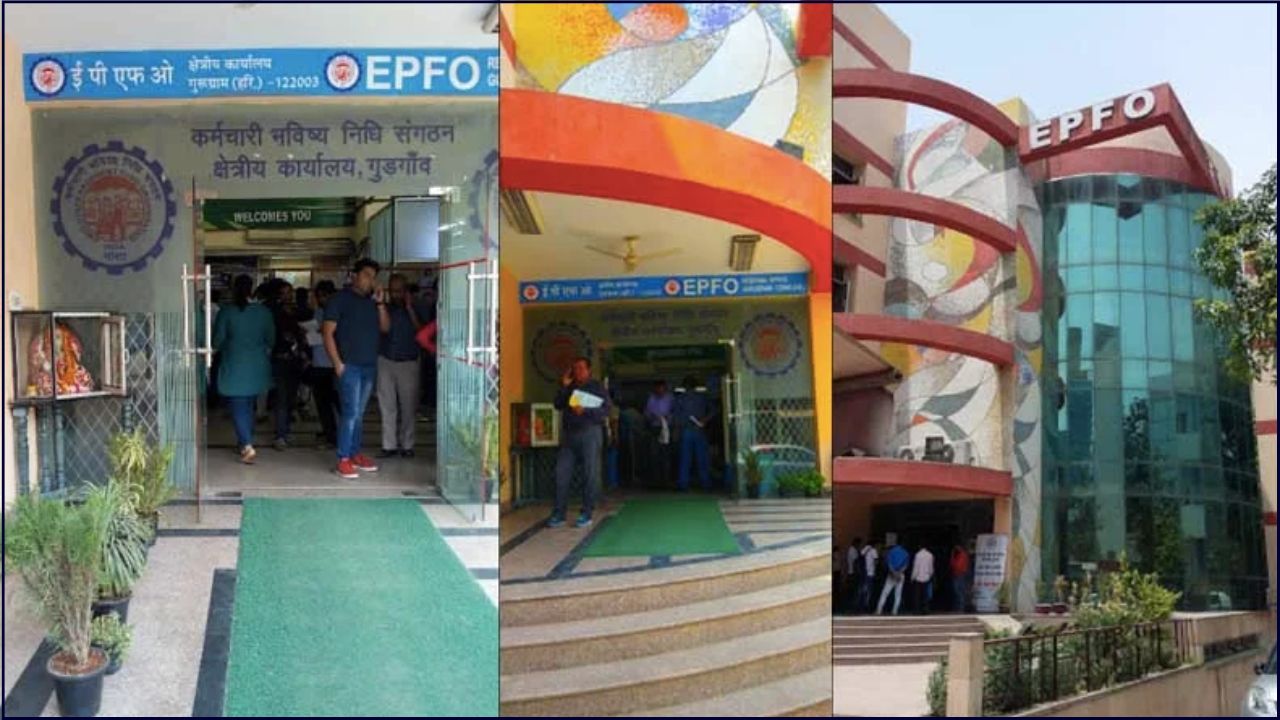
- By Visiting PF Offices: Regional EPFO offices accept KYC forms with photocopies of Aadhaar and bank passbooks.
Once updated, the EPFO system verifies Aadhaar details through the Unique Identification Authority of India (UIDAI). Bank accounts are validated by a one-rupee test transfer.
Broader Impact on Workers
For India’s 270 million formal sector workers, seamless access to PF is crucial. The fund acts as both a retirement safety net and an emergency savings option. Analysts say the government’s insistence on Aadhaar and bank linking reflects both a desire for efficiency and a broader effort to curb misuse.
Labour economists also caution that technical errors, such as mismatched Aadhaar details, remain a challenge. Workers in rural areas often face additional difficulties due to limited digital literacy or connectivity.
Conclusion
Linking Aadhaar and bank accounts to PF has become a practical necessity for Indian workers. While the process may pose challenges for some, officials stress that compliance ensures quicker settlements, fewer disputes, and stronger safeguards for retirement savings.