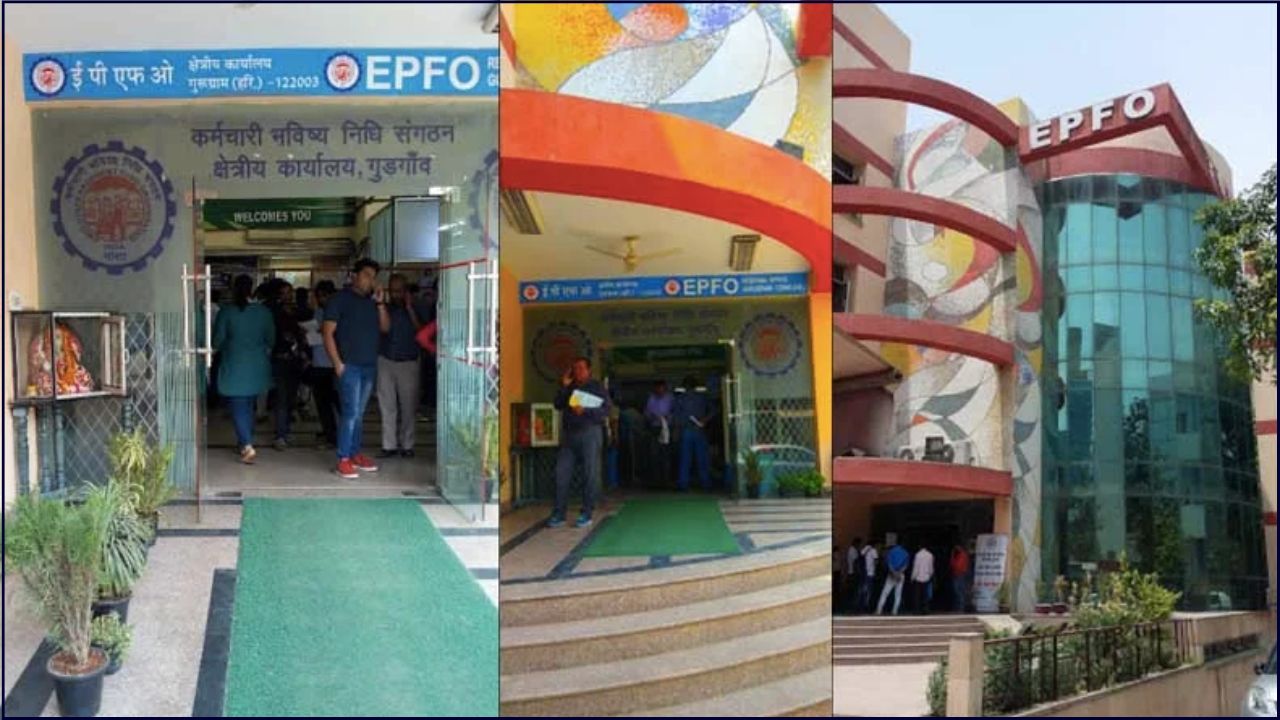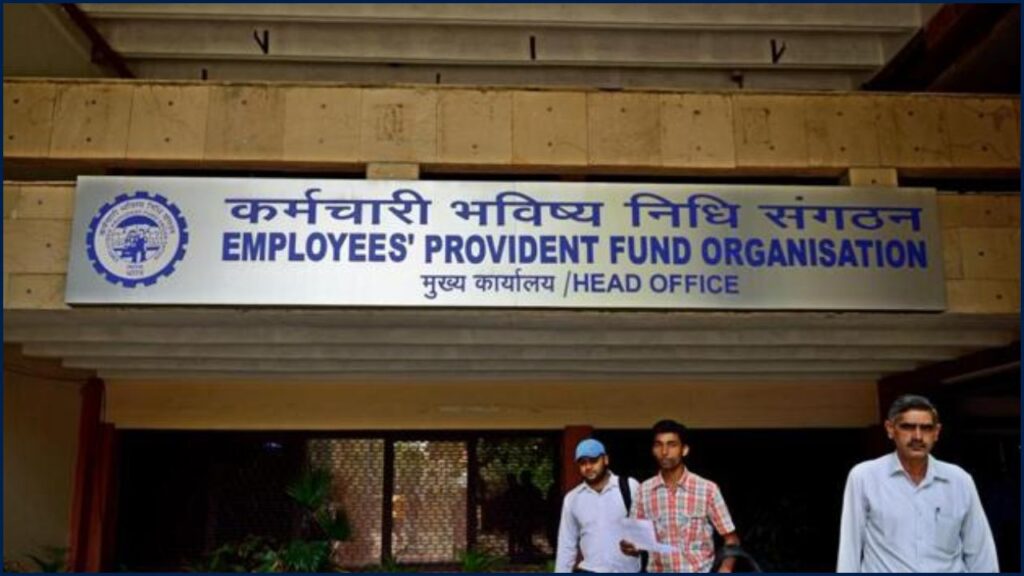
The Provident Fund (PF), formally known as the Employee Provident Fund (EPF), is a compulsory retirement savings scheme for millions of salaried employees in India. Managed by the Employees’ Provident Fund Organisation (EPFO), it requires contributions from both workers and employers, offering financial security after retirement. Yet, experts caution that many employees remain unaware of critical details that could affect their long-term savings.
What Is the Employee Provident Fund?
The EPF is a government-backed savings system established under the Employees’ Provident Funds and Miscellaneous Provisions Act, 1952. Both employees and employers contribute 12 percent of the employee’s basic salary and dearness allowance to the fund each month, according to the Ministry of Labour and Employment.
A portion of the employer’s contribution is diverted into the Employees’ Pension Scheme (EPS) and the Employees’ Deposit Linked Insurance (EDLI), which provide retirement pension and life insurance cover. “The EPF is one of the most significant social security instruments for India’s organised workforce,” said Dr. Rajesh Kumar, a labour economist at Jawaharlal Nehru University.
Why the Provident Fund Matters
Supporters of EPF say the scheme provides a reliable, low-risk savings channel in a country where retirement planning is often inadequate. As of March 2023, the EPFO managed funds worth more than ₹17 trillion, covering nearly 277 million members, according to official data.
The annual interest rate on EPF balances is set by the government in consultation with the Central Board of Trustees. For 2023-24, the rate was fixed at 8.25 percent, higher than most bank fixed deposits but lower than returns on long-term equity investments.
The Lesser-Known Realities of EPF
Despite its advantages, experts highlight several limitations that employees should consider.
Contribution Breakdown
Of the employer’s 12 percent share, only 3.67 percent flows directly into the employee’s EPF account. The remaining 8.33 percent is directed towards the pension scheme, subject to a salary ceiling of ₹15,000 per month. This means high earners may not receive proportional pension benefits.
Withdrawal Restrictions
Full withdrawal is typically allowed only at retirement or after two months of unemployment. Partial withdrawals are permitted for specific purposes such as medical emergencies, home purchase, or education, but conditions and limits apply. Early withdrawal before five years of continuous service can attract tax liabilities.
Inflation and Returns
While EPF offers stability, the fixed interest rate often lags behind inflation, reducing the real purchasing power of savings over time. “Employees should view EPF as a base-level safety net rather than their sole retirement strategy,” said Anita Verma, a financial planner at ICICI Securities.
Key Challenges Employees Face
Multiple Accounts and Transfers
Frequent job changes can lead to multiple dormant EPF accounts if transfers are not initiated. Although the introduction of the Universal Account Number (UAN) has improved portability, administrative delays still affect some workers.
Nomination and Claims
Failure to update nominee details can create disputes during claims. Legal heirs may face prolonged processes if records are incomplete. The EPFO has urged employees to verify and update KYC details online to avoid complications.
Limited Awareness
A 2022 survey by the Labour Bureau found that nearly 40 percent of respondents were unaware of how their employer’s contribution was divided between PF and pension. Experts attribute this to complex rules and inadequate financial literacy campaigns.
Reforms and the Way Forward
The government has launched several initiatives to improve transparency and access, including online passbook services, Aadhaar-based verification, and mobile applications. Analysts suggest that further reforms are needed, such as better awareness drives and potential increases in wage ceilings to ensure pension adequacy.
“The Provident Fund remains a cornerstone of social security in India, but reforms must keep pace with rising wages and inflation,” said Prof. Meera Nair, a public policy expert at the Indian Institute of Management, Bangalore.
Conclusion
The Provident Fund, through the EPF, continues to be one of India’s most important financial safety nets for workers. While it guarantees a secure and government-backed saving option, employees must remain informed about contribution rules, withdrawal conditions, and long-term financial planning to maximise its benefits.