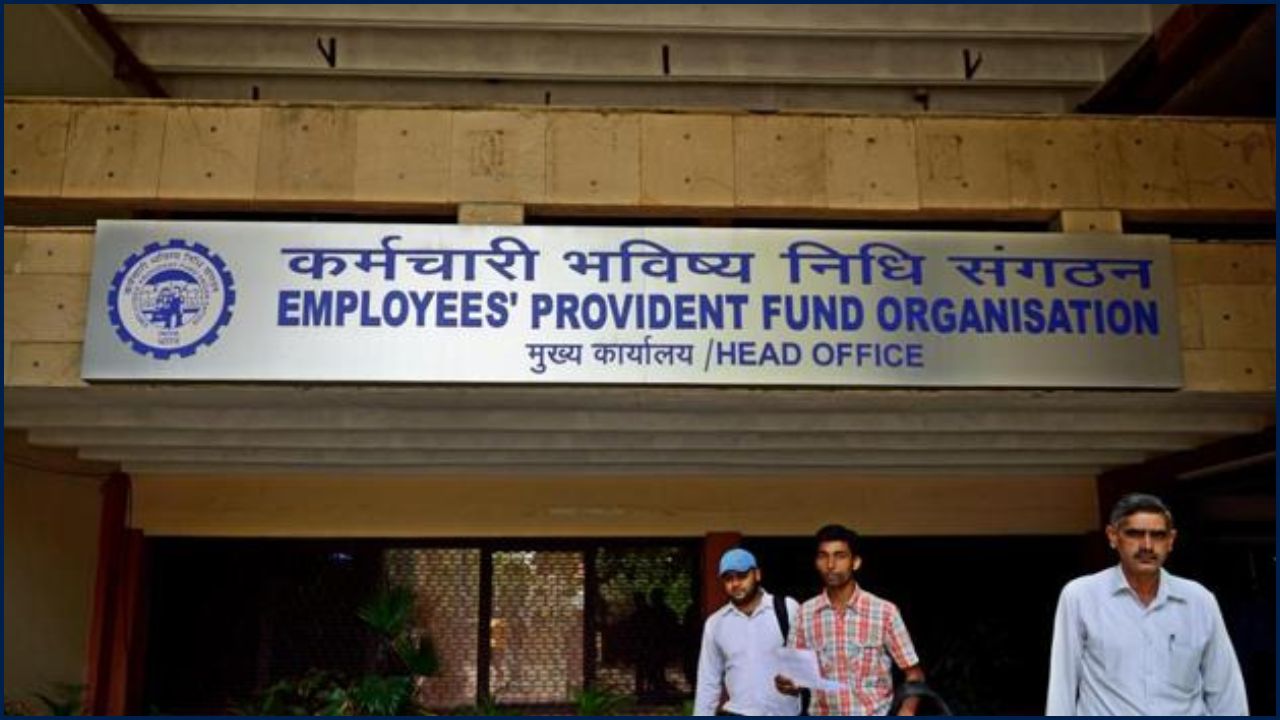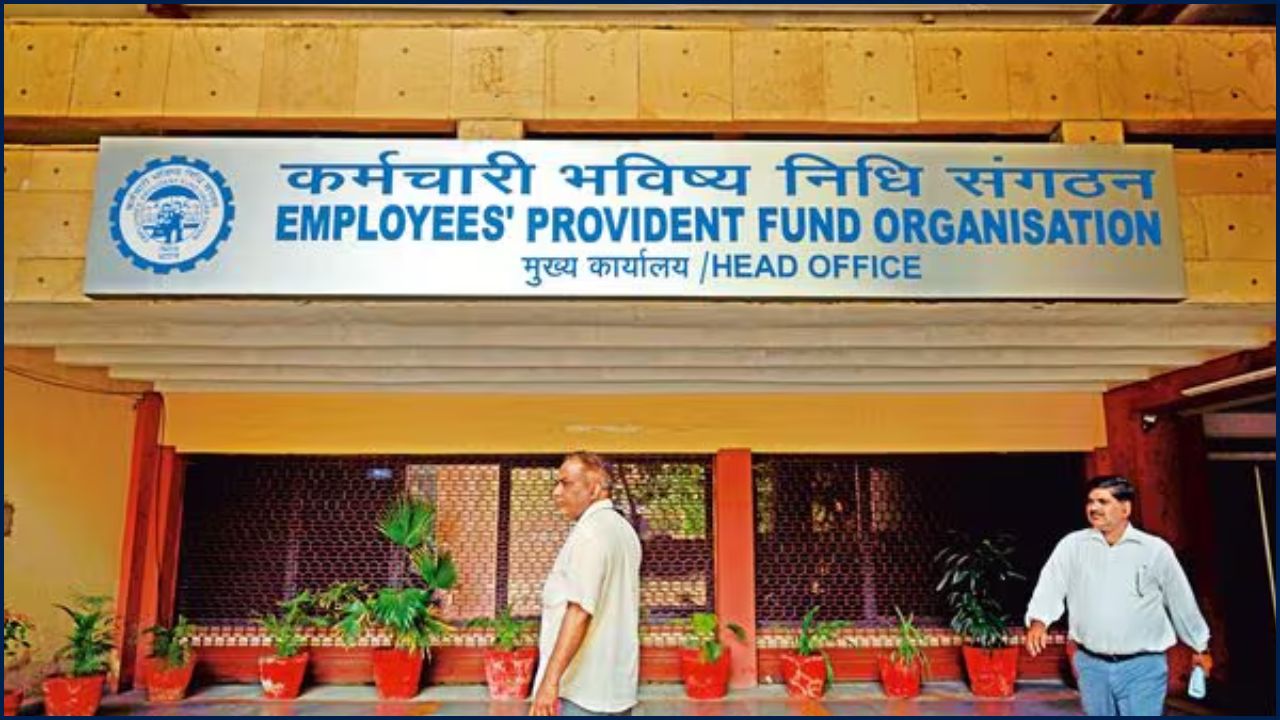
The Provident Fund (PF), one of India’s oldest social security schemes, continues to play a critical role in supporting workers’ financial stability. By mandating contributions from both employers and employees, the scheme helps millions of salaried individuals save systematically, secure retirement income, and access emergency funds when needed. Experts say the benefits extend well beyond savings, making it one of the most trusted pillars of India’s employee welfare framework.
What Is the Provident Fund?
The Provident Fund is a government-backed savings and social security scheme managed by the Employees’ Provident Fund Organisation (EPFO). It requires monthly contributions equal to 12 percent of an employee’s basic salary and dearness allowance, matched by the employer. According to the Ministry of Labour and Employment, more than 277 million workers are registered under EPFO as of 2024.
The Core Benefits of the Provident Fund
1. Retirement Corpus Through Compulsory Savings
The PF enforces disciplined savings by automatically deducting contributions from monthly salaries. Over decades, this builds a sizable retirement corpus.
2. Employer’s Matching Contribution
Employers are mandated to match employee contributions, effectively doubling the monthly savings. Analysts describe this as a “built-in return” that few private instruments can replicate.
3. Attractive Interest Rate
The EPFO declares annual interest rates, often higher than most bank fixed deposits. For 2023–24, the rate stood at 8.25 percent, according to an official circular.
4. Tax Advantages
Contributions qualify for deductions under Section 80C of the Income Tax Act. Interest and withdrawals after five years of service are generally tax-free, making PF a retirement planning favourite.
5. Pension Component
A portion of contributions is diverted to the Employee Pension Scheme (EPS), ensuring workers receive a monthly pension after retirement, subject to service conditions.
6. Insurance Protection
Through the Employees’ Deposit Linked Insurance (EDLI) scheme, PF subscribers are covered by life insurance, offering financial relief to dependents in case of death during service.
7. Partial Withdrawals
Members can withdraw funds for specific purposes such as higher education, marriage, housing, or medical treatment. This provides crucial flexibility during life events.
8. Emergency Support
The PF doubles as an emergency corpus, available in cases of job loss, long-term illness, or other financial crises.
9. Portability Across Jobs
The Universal Account Number (UAN) ensures PF balances are easily transferable between employers, reducing bureaucratic delays and safeguarding continuity of savings.
10. Transparency and Accessibility
Digital tools such as the EPFO portal and mobile apps allow members to track contributions, apply for withdrawals, and monitor balances in real time.
Broader Context and Expert Views
Economists view the Provident Fund as a cornerstone of India’s social protection architecture. “The PF not only helps employees build wealth but also reduces the burden on public welfare systems in the future,” said Dr. Rakesh Mohan, senior fellow at the Centre for Policy Research.
Critics, however, argue that rigid withdrawal rules and limited investment diversification restrict growth potential compared to market-linked instruments like mutual funds. Policymakers continue to debate reforms that balance safety with higher returns.
Global Comparisons
Many countries operate similar employee savings models. Singapore’s Central Provident Fund (CPF) and the United States’ 401(k) system both illustrate the global reliance on employer-employee contributions to secure retirement. India’s PF remains among the most inclusive, covering both formal and informal sector workers.
Conclusion
The Provident Fund endures as a trusted safeguard for millions of Indian workers. By combining compulsory savings, employer contributions, tax relief, and pension support, it addresses both short-term needs and long-term financial security. While reforms may enhance flexibility and returns, experts agree that its fundamental role in protecting workers’ futures remains unmatched.