The Provident Fund (PF), a key component of most Indian employees’ payslips, represents mandatory retirement savings shared by workers and employers. Regulated under the Employees’ Provident Funds and Miscellaneous Provisions Act, 1952, PF ensures long-term financial security while directly affecting monthly take-home pay.
What Is Provident Fund (PF)?
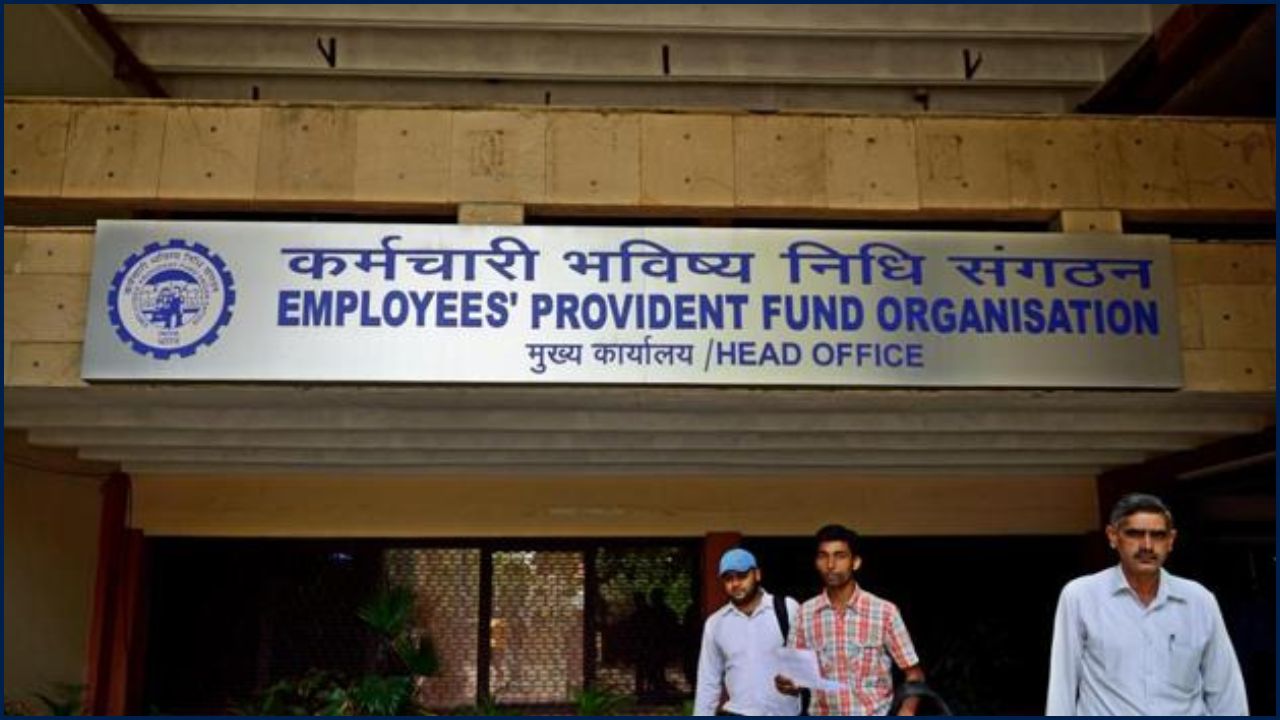
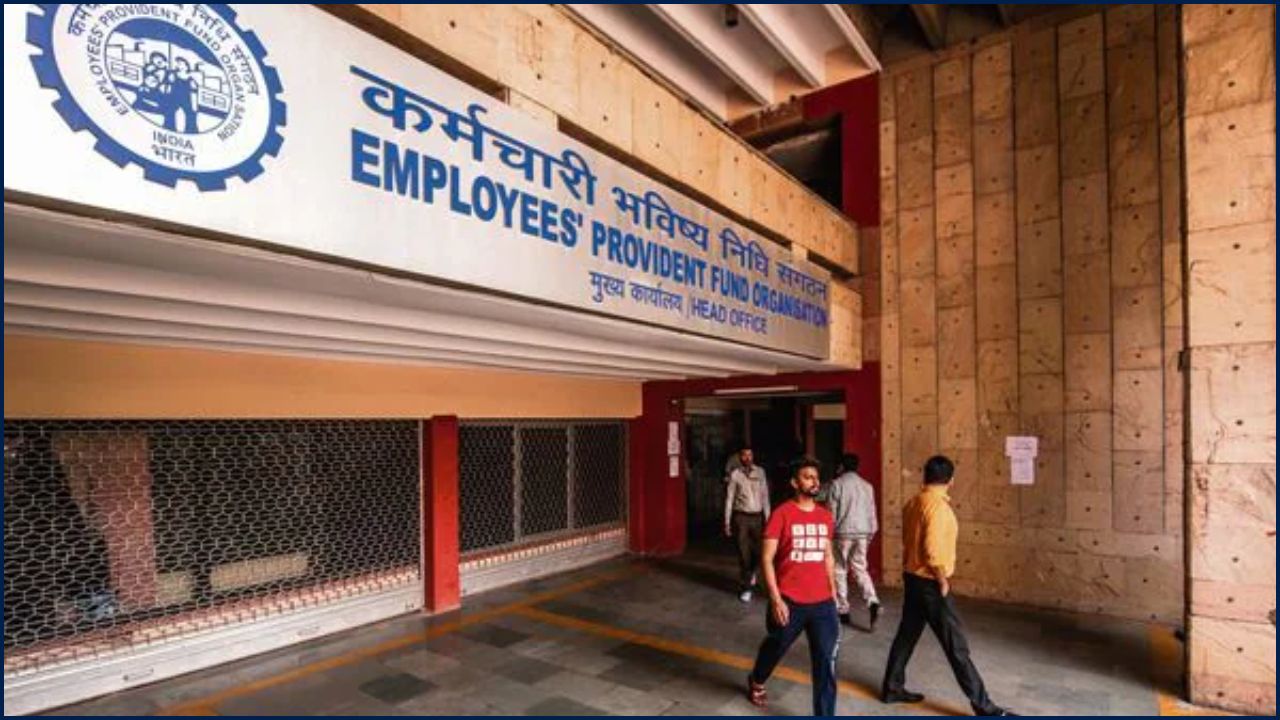
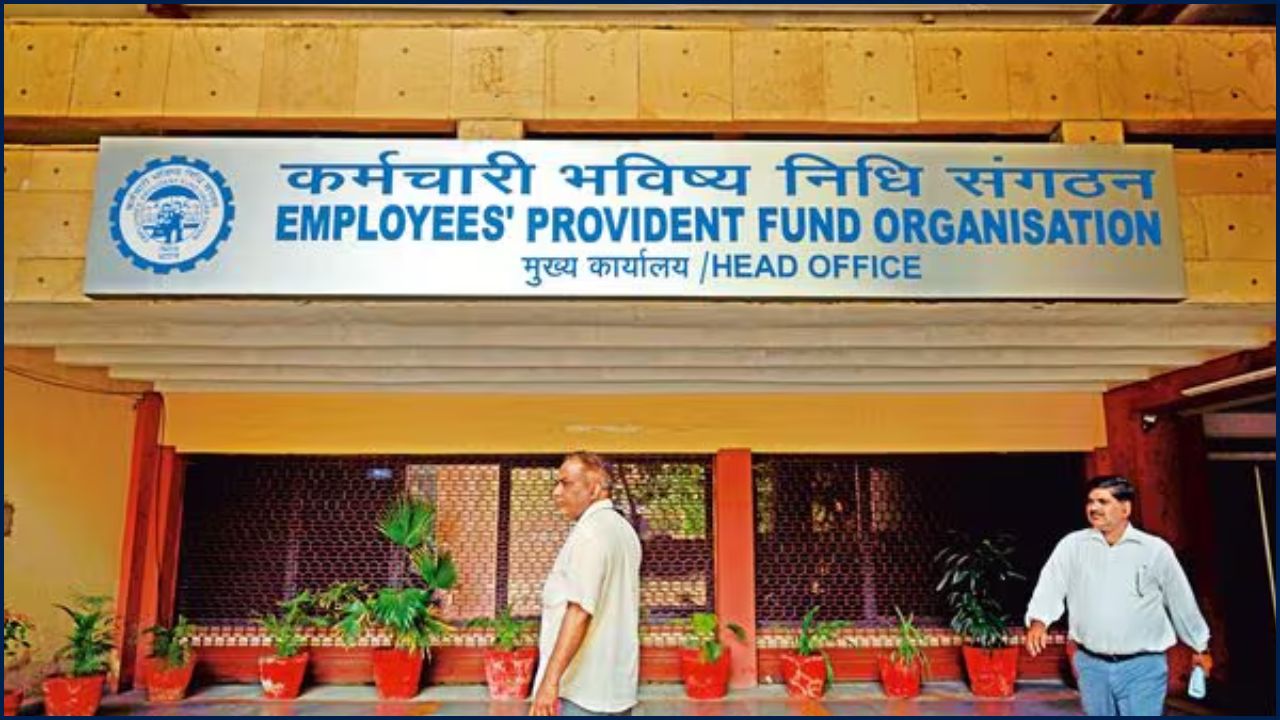
The Provident Fund, often referred to as the Employees’ Provident Fund (EPF), is a statutory retirement savings scheme overseen by the Employees’ Provident Fund Organisation (EPFO). Under the law, both employees and employers contribute a percentage of wages to a fund that accrues interest and supports workers after retirement.
According to the Ministry of Labour and Employment, the scheme covers over 60 million active members and remains one of the largest social security systems in the world.
How PF Contributions Work
Employee Contribution
Employees typically contribute 12 percent of their basic salary and dearness allowance to PF. This deduction appears in the payslip as “PF” under statutory contributions.
Employer Contribution
Employers match this 12 percent contribution, but their share is divided between the Provident Fund and the Employees’ Pension Scheme (EPS). The government’s EPFO guidelines specify that 8.33 percent of the employer’s contribution goes into EPS, while the remaining 3.67 percent flows into the PF account.
Impact on Salary and Retirement
Take-Home Pay
Because the employee’s PF contribution is deducted directly from wages, the immediate take-home salary decreases. However, financial planners emphasise that PF is not a loss but a disciplined form of retirement saving.
Ravi Sinha, a chartered accountant based in New Delhi, explained: “PF ensures that employees set aside savings consistently. The compounding interest rate, currently set at 8.25 percent for 2024–25, provides a substantial corpus over time.”
Retirement Security
PF balances can be withdrawn upon retirement, or partially under specific conditions such as housing, education, or medical emergencies. The EPFO allows online access to account balances and has expanded portability through the Universal Account Number (UAN).
Tax Benefits and Compliance
PF contributions qualify for deductions under Section 80C of the Income Tax Act, with an annual limit of ₹1.5 lakh. Additionally, the maturity amount and interest earned remain tax-free if the account is maintained for at least five continuous years.
The government periodically revises rules on withdrawals and interest taxation. For instance, in 2021 the Ministry of Finance introduced tax on employee contributions exceeding ₹2.5 lakh annually, aimed at curbing high-income individuals from overusing the scheme as a tax shelter.
Broader Context and Relevance
India’s PF system plays a crucial role in bridging the retirement savings gap in a country where private pension coverage is limited. According to a 2023 report from the International Labour Organization, fewer than 15 percent of Indian workers in the informal sector have access to formal retirement benefits, highlighting the importance of the PF scheme for salaried employees.
Labour unions frequently push for higher employer contributions, while industry groups caution that increased obligations may burden businesses, particularly small and medium enterprises. Policymakers continue to balance worker protection with economic competitiveness.
Conclusion
PF in payslips is more than a routine deduction; it represents one of India’s most significant social security protections. By mandating shared contributions from employees and employers, the scheme reduces reliance on family or state support in old age, reinforcing retirement security across the country’s growing workforce.