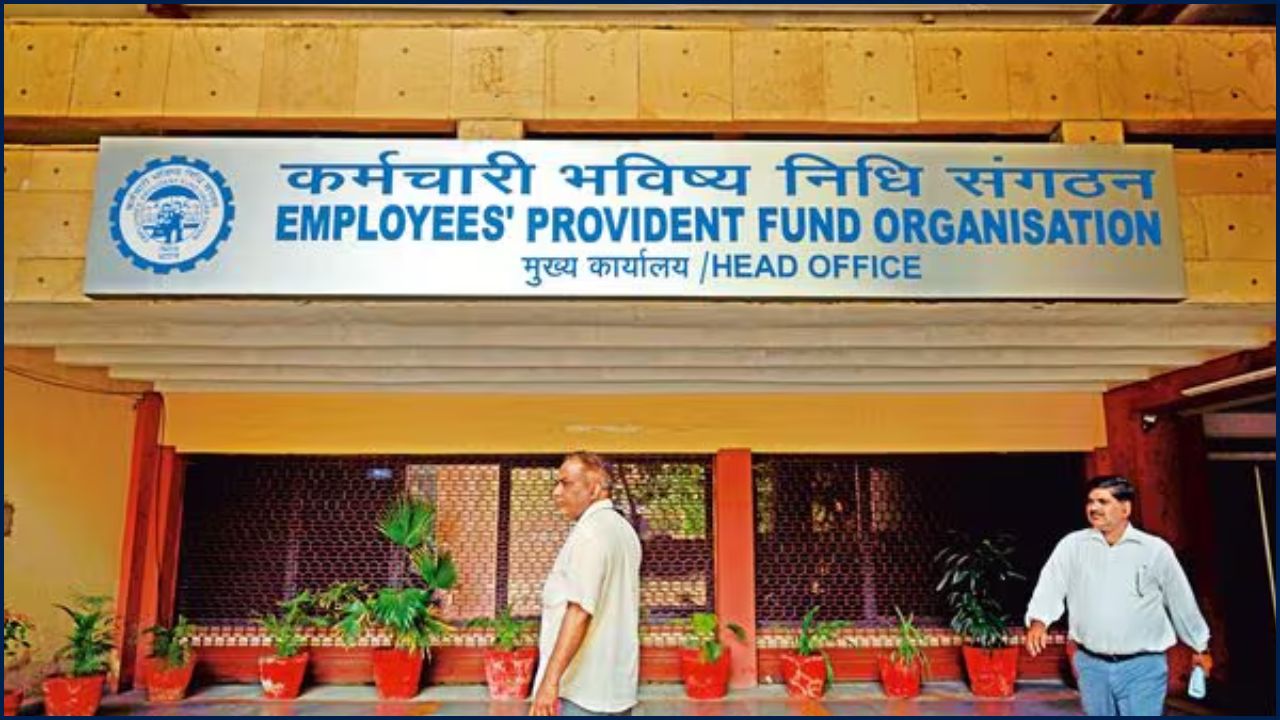
The Indian government is reviewing how Provident Fund (PF) contributions are calculated, a move that could reduce take-home pay for many salaried employees but strengthen retirement savings. Proposals include linking PF to higher basic wages and raising the wage ceiling used for contributions.
Why PF Contributions May Change
The Ministry of Labour and Employment has signalled that PF rules may soon align with the new wage code, which requires that basic pay account for at least 50 percent of an employee’s total salary. Under current practice, many employers reduce the proportion of basic pay to limit PF deductions.
According to labour analysts, if the wage code is enforced nationwide, PF contributions from both employees and employers would increase. “A higher basic wage base will automatically expand retirement savings, though workers will notice smaller net pay,” said Dr. Ritu Sharma, professor of labour economics at Jawaharlal Nehru University.
Proposed Increase in Wage Ceiling
Another major change under consideration is the upward revision of the wage ceiling used to calculate PF contributions. At present, the ceiling is set at ₹15,000 per month. Reports in the Economic Times suggest that the government is considering raising this to ₹21,000.
If approved, this adjustment would bring more workers under the mandatory PF system and increase contributions from both sides. Employers’ associations, however, have raised concerns about rising costs. “While we support social security expansion, sudden increases in contribution bases may affect small and medium enterprises,” said Rajiv Bansal, president of a leading industry body.
Tax and Compliance Dimensions
The Income Tax Act treats PF differently depending on the regime chosen by taxpayers. Under the new tax regime, contributions made by employees no longer qualify for deductions under Section 80C. Employer contributions above ₹7.5 lakh per year, including PF, National Pension System (NPS), and superannuation funds, are also taxable.
Experts say these factors complicate salary negotiations. “Workers need to weigh higher PF savings against the loss of immediate disposable income, particularly under the new tax rules,” said Sandeep Mukherjee, a senior tax consultant.
Administrative Reforms
Beyond contribution calculations, the Employees Provident Fund Organisation (EPFO) has introduced reforms such as automatic PF transfers when employees change jobs through their Universal Account Number (UAN). These steps aim to improve efficiency and transparency in managing workers’ retirement savings.
What This Means for Workers
For employees, higher PF contributions mean lower take-home pay in the short term but stronger retirement benefits in the long term. Employers, especially small firms, may face higher payroll expenses. The government argues the reforms will enhance long-term financial security for millions of workers.
The proposals are still under review, and no official notification has been issued. However, experts recommend that employees and employers prepare for adjustments to salary structures once the changes are formally announced.
Conclusion
India’s PF system, one of the world’s largest social security schemes, stands at a turning point. As the government weighs changes to contribution rules, the balance between immediate income and long-term savings will be at the centre of debate. The outcome will affect not only employees’ payslips but also the financial resilience of future retirees.