Many Indian employees consider withdrawing their Provident Fund (PF) after a job change, but experts warn that hasty withdrawals could reduce long-term benefits. Understanding the rules and available options is critical to preserving retirement security.
What Happens to PF After a Job Change
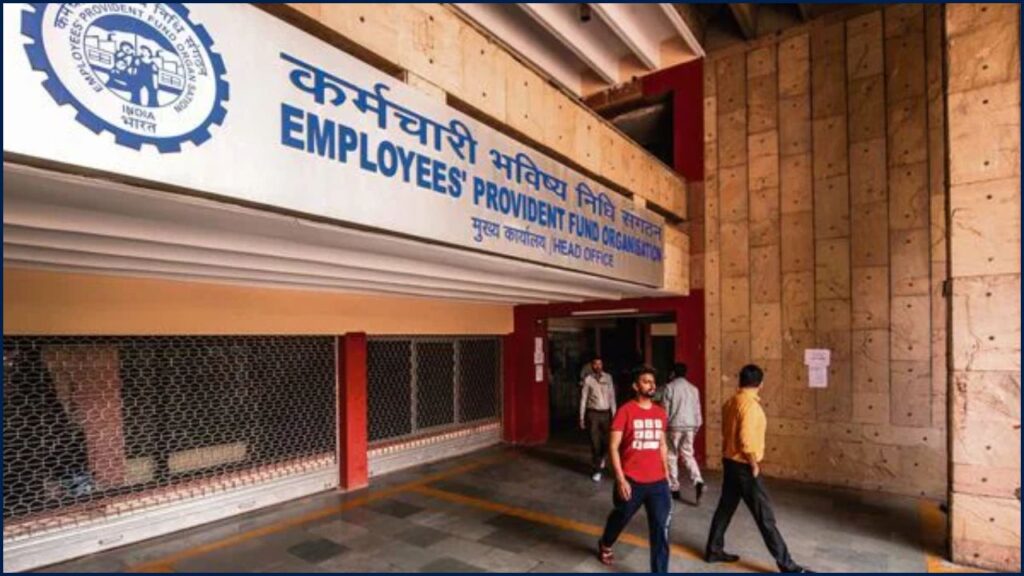
When an employee changes jobs, their PF balance does not automatically move to the new employer. According to the Employees’ Provident Fund Organisation (EPFO), workers are expected to transfer their PF account by using the Universal Account Number (UAN).
Financial experts say transferring the PF ensures continuity of service, which is important for calculating pension eligibility and avoiding tax complications. Rajesh Bansal, a New Delhi-based chartered accountant, explained, “If you withdraw your PF prematurely, you may lose tax benefits and pension contributions that only accrue with long service.”
Rules Governing PF Withdrawal
The EPFO allows full withdrawal of PF funds only if a worker remains unemployed for more than two consecutive months. Partial withdrawals are permitted for specific purposes such as medical treatment, education, or housing, subject to defined limits.
Tax implications are significant. Withdrawals made before completing five years of continuous service are taxable, and the employer’s contribution is subject to tax deduction at source (TDS). After five years, withdrawals are generally tax-free, as noted in guidelines from the Ministry of Labour and Employment.
Why Transfer Is Better Than Withdrawal
Preserving Retirement Benefits
Experts widely recommend transferring rather than withdrawing PF balances. Continuity helps employees retain eligibility for the Employees’ Pension Scheme (EPS), which requires a minimum service period.
Avoiding Tax Liabilities
Withdrawing PF before the five-year threshold may reduce the final corpus due to tax obligations. According to a report from ClearTax India, employees often underestimate the financial impact of losing compounded, tax-free interest.
The Simple Trick: Ensuring a Smooth Transfer
The most effective strategy for employees is to complete a PF transfer instead of withdrawal. To do so, individuals must ensure their KYC details—including Aadhaar, PAN, and bank account information—are updated in the EPFO portal.
Workers should also check that their previous employer has marked their exit date in the system. Without this confirmation, transfer requests may face delays. An EPFO official speaking to The Hindu said, “Accurate exit dates and KYC compliance are the two most common bottlenecks for smooth PF transfers.”
Voices of Concern and Assurance
Labour unions have urged the government to simplify the PF transfer process further. S. Venkataraman, a senior official at the All India Trade Union Congress, noted that delays in employer compliance often push workers to withdraw funds prematurely.
In contrast, government representatives stress that digital reforms are making the process faster. The EPFO reported in its 2024 annual statement that 85 percent of transfer requests were completed within 20 days, up from 65 percent in 2022.
Conclusion
Withdrawing PF after a job change may appear convenient, but experts say it carries risks to both tax savings and retirement planning. The prudent approach, they argue, is to transfer the account to preserve long-term benefits and financial security.