Opening a Provident Fund account is a crucial step for millions of Indians seeking long-term financial security. Managed under government regulation, the schemes—Employee Provident Fund (EPF) and Public Provident Fund (PPF)—offer savings, retirement benefits, and tax advantages. This report explains the process, eligibility, and documentation in clear terms.
Understanding Provident Fund in India
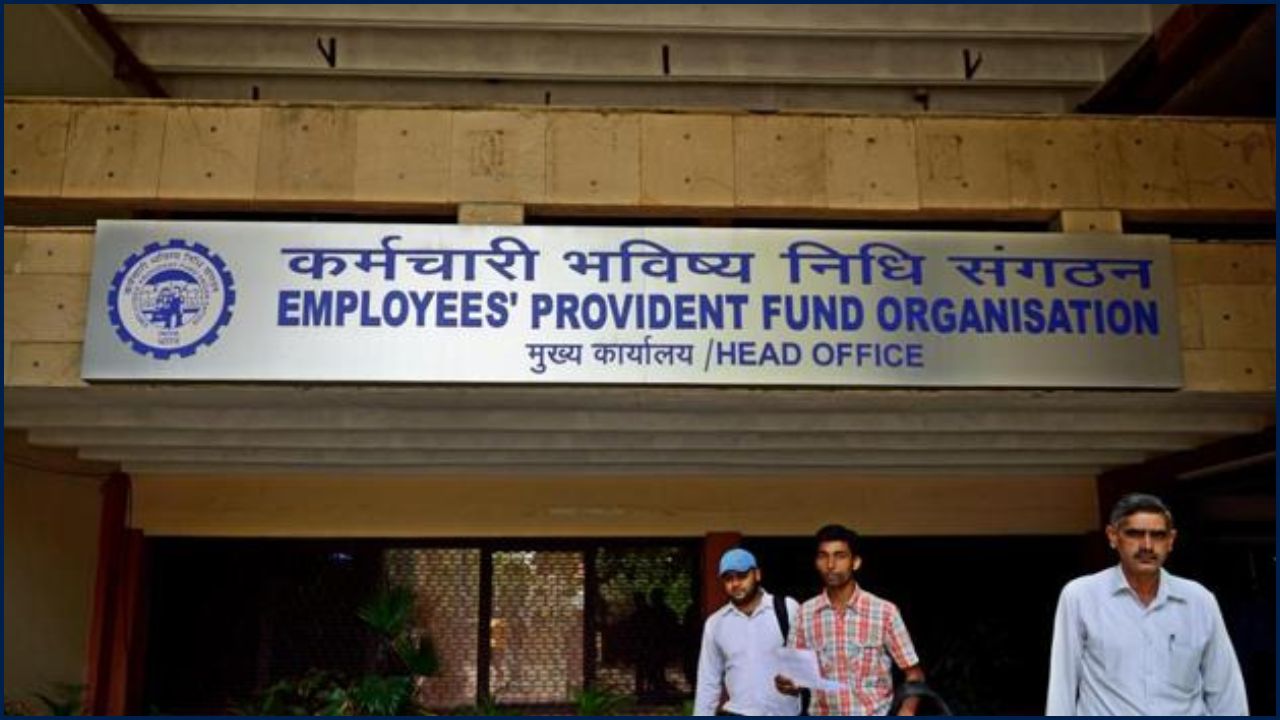
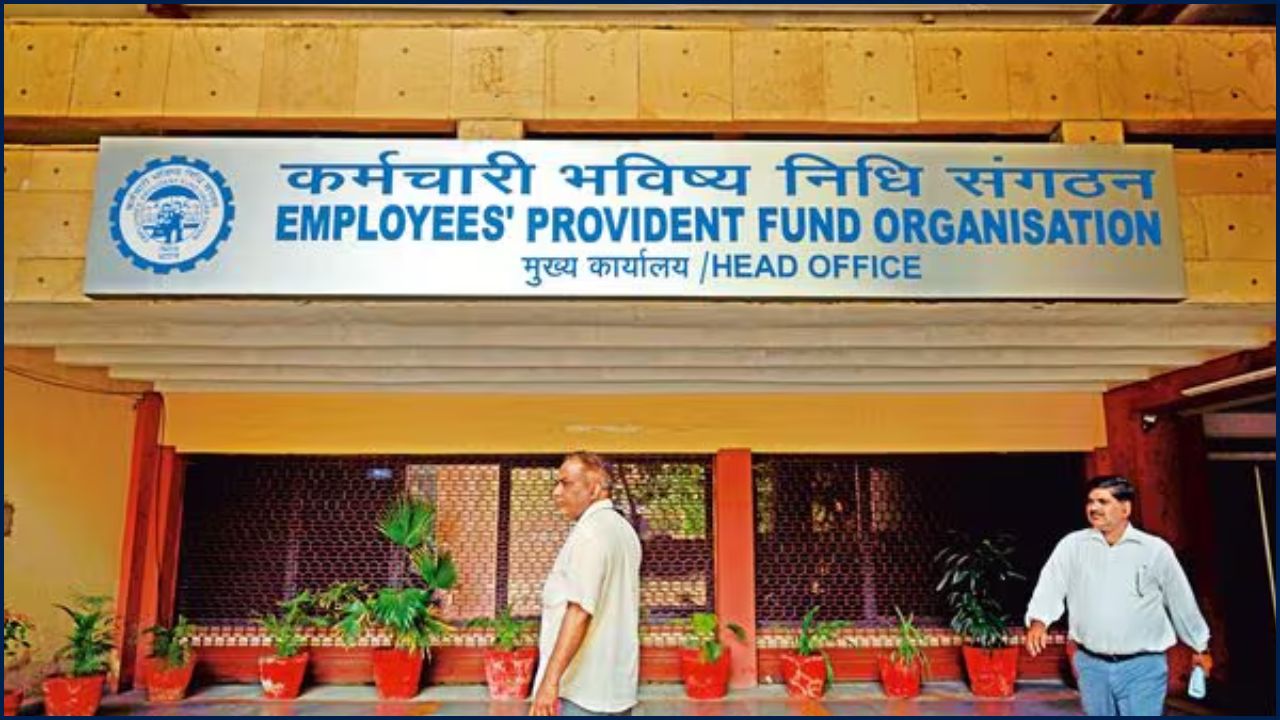
The Employee Provident Fund (EPF) is designed for salaried workers in establishments covered by the Employees’ Provident Funds and Miscellaneous Provisions Act, 1952. Employers and employees contribute jointly, with funds managed by the Employees’ Provident Fund Organisation (EPFO).
By contrast, the Public Provident Fund (PPF) is a voluntary savings scheme backed by the Government of India. It is open to any resident individual, regardless of employment status, and is operated through banks and post offices.
How to Open an EPF Account
Employer’s Role
To initiate an EPF account, employers must first register their business with EPFO. According to the Ministry of Labour and Employment, this involves uploading establishment details, Permanent Account Number (PAN), and a digital signature certificate. Once registered, the employer can generate a Universal Account Number (UAN) for each employee.
Employee’s Role
Employees are required to submit Know Your Customer (KYC) documents, including Aadhaar, PAN, bank account details, and proof of address. After verification, the UAN must be activated on the EPFO member portal. From that point, monthly contributions—currently 12 percent of basic salary plus dearness allowance—are deducted and deposited.
How to Open a PPF Account
Offline Process
Individuals can open a PPF account at designated bank branches or post offices. Applicants must fill out a PPF form, provide identity and address proof, nominate a beneficiary, and make a minimum deposit of ₹500. A physical passbook is issued after account creation.
Online Process
Several banks allow customers to open PPF accounts through internet or mobile banking platforms. The applicant completes the form digitally, submits Aadhaar-linked e-KYC, and makes the first deposit electronically. The account then appears in the customer’s banking dashboard.
Key Eligibility and Documentation
- Eligibility: Any Indian resident can open a PPF account. EPF accounts, however, are restricted to salaried employees working in establishments registered with EPFO.
- Documents Required: Aadhaar card, PAN card, proof of address, passport-sized photographs, and bank details.
- Special Cases: A PPF account can also be opened on behalf of a minor, with a guardian managing contributions until the child reaches majority.
Benefits and Considerations
Both EPF and PPF accounts offer tax advantages under Section 80C of the Income Tax Act. Interest rates are set quarterly by the Ministry of Finance. EPF provides employer contributions and pension benefits, while PPF offers guaranteed, government-backed returns over a fixed 15-year tenure, extendable in blocks of five years.
Financial analyst Ramesh Kumar, speaking to the Press Trust of India, noted: “Provident Fund schemes are among the safest instruments for long-term wealth creation, especially for risk-averse savers. However, individuals should weigh liquidity needs carefully, since early withdrawals are restricted.”
Conclusion
The Provident Fund remains central to India’s social security framework. Whether through employer-linked EPF or individual-driven PPF, these schemes encourage disciplined savings and provide crucial support in retirement. For employees and individuals alike, understanding the procedures to open and manage a Provident Fund account is essential to achieving financial stability.