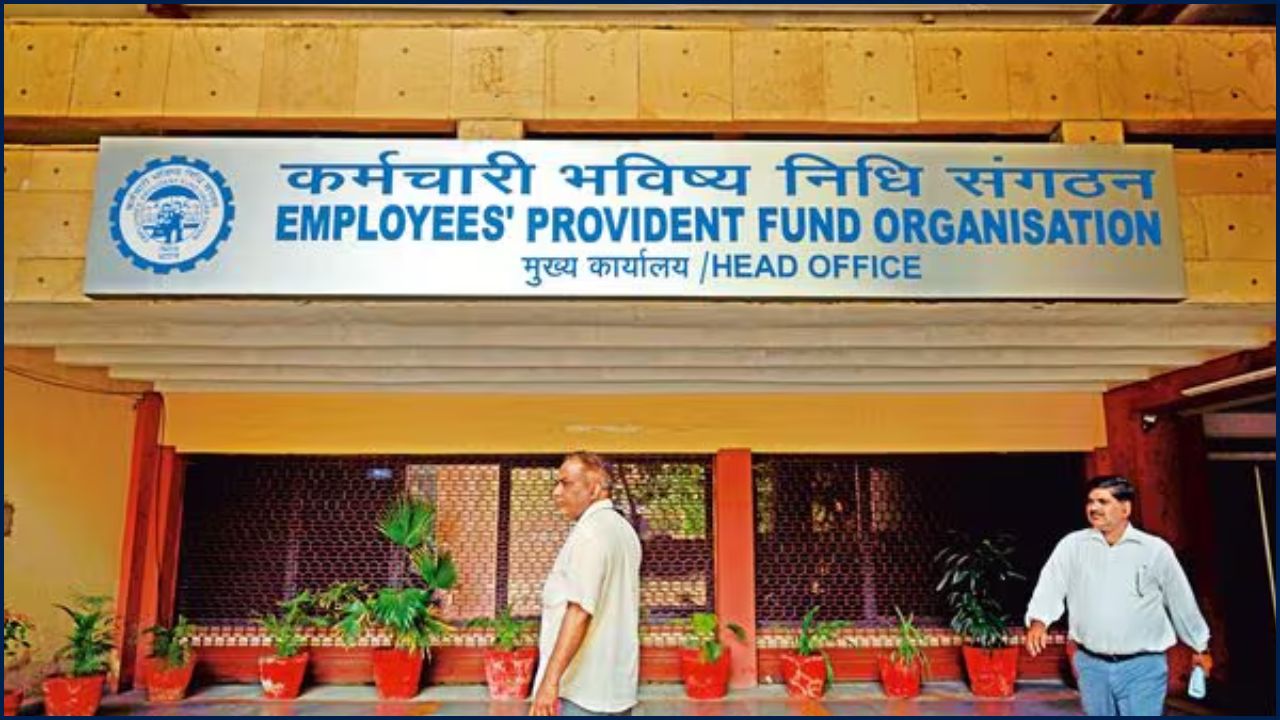
An increasing number of salaried employees in India are discovering that the Provident Fund (PF) amount deducted from their salary is not being credited to their account. This issue of a PF contribution not getting deposited can jeopardize long-term savings. The problem often stems from employer defaults or simple administrative errors, but employees have clear recourse to protect their hard-earned money.
Why Your PF Contribution May Be Missing
Several factors can lead to discrepancies in your Employees’ Provident Fund (EPF) account. While some are minor administrative errors, others can be serious instances of non-compliance by an employer.
Employer Default or Delayed Payments
The most serious reason for a missing contribution is when an employer deducts the amount from an employee’s salary but fails to deposit it with the Employees’ Provident Fund Organisation (EPFO). This is considered a criminal offense under the EPF Act, 1952. Companies may delay payments due to financial distress or internal processing issues, but timely deposit is a legal obligation. The due date for depositing PF dues is the 15th of the following month.
Incorrect KYC and Data Mismatches
A common reason for deposit failures or claim rejections is incorrect information linked to an employee’s Universal Account Number (UAN). Discrepancies in name, date of birth, or bank account details between company records and the EPFO database can cause contributions to fail processing. Failing to keep records updated, especially after a salary change, can also lead to incorrect contribution amounts being deposited.
Errors in Contribution Calculation
Mistakes in calculating the PF contribution can also lead to shortfalls. The contribution is calculated as 12% of the basic salary plus dearness allowance. If the basic salary is calculated incorrectly or statutory contribution rates are misinterpreted, the amount deposited will be wrong.
Lapses During a Job Change
When an employee changes jobs, it is their responsibility to get their PF account transferred from the previous employer to the new one. If this process is not completed correctly or in a timely manner, contributions from the new employer may not be properly credited, leading to confusion and potential loss of interest.
How to Address a PF Contribution Not Getting Deposited
Proactive monitoring and timely action are crucial for safeguarding your retirement savings. If you suspect an issue, follow these steps.
Step 1: Regularly Monitor Your EPF Passbook
The first and most important step is to regularly check your EPF balance and statement. Employees can view their passbook on the official EPFO website or through the UMANG mobile application. This allows you to verify if contributions from both you and your employer are being credited every month.
Step 2: Contact Your Employer
If you notice a discrepancy, your first point of contact should be your company’s Human Resources (HR) or payroll department. In many cases, the delay may be due to a simple administrative or accounting error that can be rectified internally.
Step 3: File a Formal Grievance with EPFO
If your employer does not provide a satisfactory resolution, you should file a formal complaint with the EPFO. According to Rama Karmakar, Tax Partner-People Advisory Services at EY India, employees can file a grievance on the EPF i-Grievance Management System (EPFIGMS) portal or submit a written complaint to the regional PF authorities. The EPFO will then investigate the matter and take necessary action against the employer.
Legal Obligations and Penalties for Employers
Under the EPF Act, employers who fail to deposit PF contributions on time are liable for penalties. The EPFO can levy damages, and interest is charged at a rate of 12% per annum for the period of the delay. Even if a company becomes insolvent, the law mandates that the pending EPF dues must be cleared first.
It is essential for employees to remain vigilant about their retirement savings. Regularly checking your EPF account and understanding the available channels for redressal are the most effective ways to ensure your contributions are safe. If a PF deposit error occurs, addressing it immediately can prevent complications and protect your financial future.