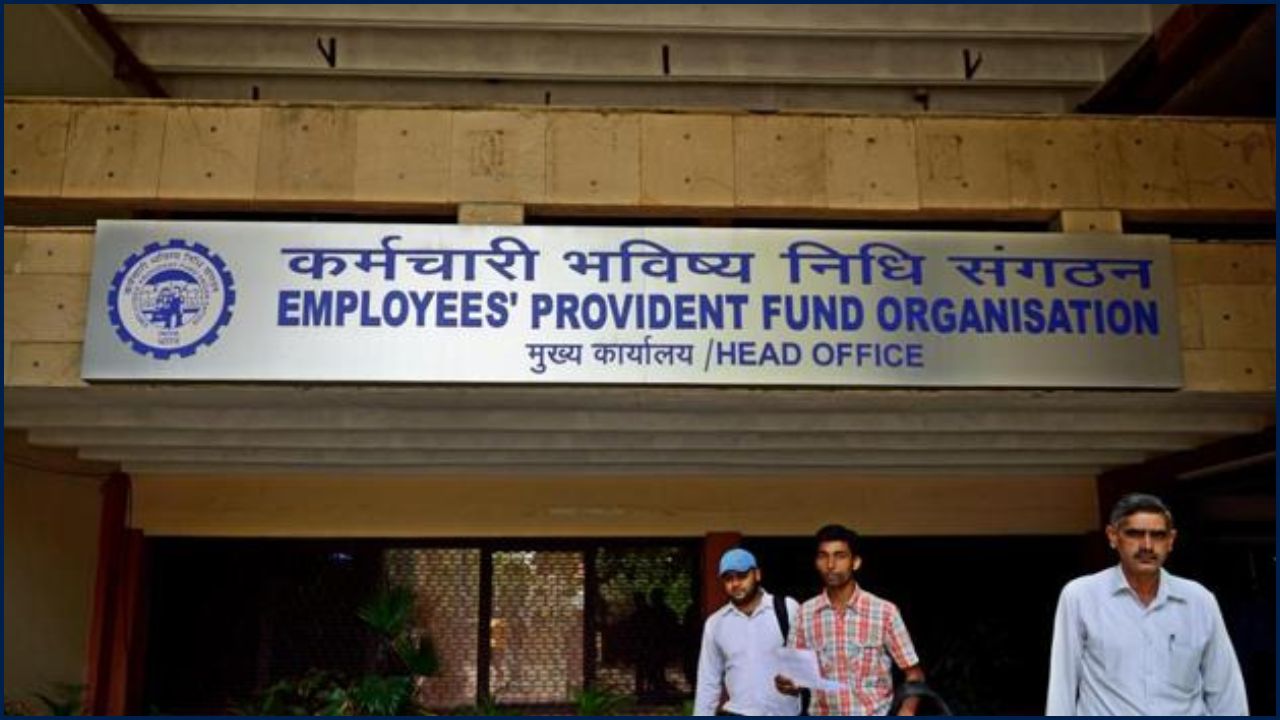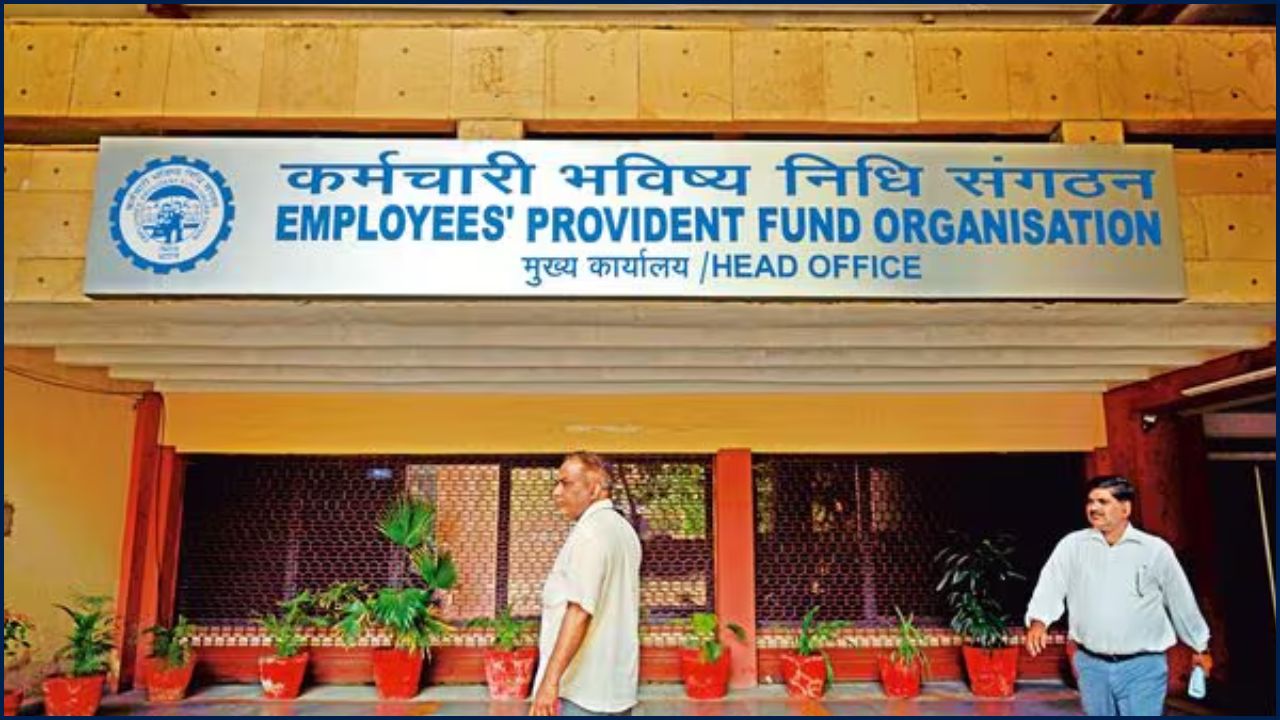
In India, the PF contribution—short for Provident Fund contribution—is a mandatory retirement saving mechanism that reduces an employee’s monthly take-home salary but provides long-term financial security. Both employees and employers contribute a fixed percentage, as mandated under the Employees’ Provident Fund Organisation (EPFO).
What Is the Provident Fund?
The Employees’ Provident Fund (EPF) is part of a social security scheme overseen by the Ministry of Labour and Employment. It is designed to help salaried workers accumulate savings for retirement. Contributions from both employees and employers are pooled, generating interest that is credited annually.
According to EPFO regulations, all companies with more than 20 employees must register for the scheme. It covers nearly 60 million members, making it one of the largest defined-contribution retirement plans in the world.
How Much Is Cut From an Employee’s Salary?
Under the EPF Act, employees contribute 12 percent of their basic salary and dearness allowance each month. This amount is deducted directly from wages.
Employers match the same 12 percent contribution, although the distribution differs. According to the EPFO’s official guidelines:
- 8.33 percent of the employer’s share goes to the Employees’ Pension Scheme (EPS).
- 3.67 percent is credited to the employee’s EPF account.
For employees with a basic salary above ₹15,000 per month, employers may limit contributions to the statutory wage ceiling, unless a higher contribution is mutually agreed.
Why the Deduction Exists
The deduction ensures workers build a retirement corpus while also funding a pension component. Experts say the scheme plays a vital role in encouraging financial discipline.
“India has a relatively low rate of voluntary retirement savings. The EPF ensures at least one layer of security for salaried workers,” said Dr. Arvind Panagariya, economist and former vice chairman of NITI Aayog, in a public lecture on labour economics.
Additionally, employee contributions qualify for tax benefits under Section 80C of the Income Tax Act, making it attractive from a savings perspective.
Impact on Take-Home Salary
For many employees, the deduction directly lowers disposable income. A worker with a basic salary of ₹25,000 would see ₹3,000 cut as the employee’s share each month. The employer would contribute an equal ₹3,000, split between pension and provident fund accounts.
Human resource consultants note that younger employees often view PF as a “forced saving,” while older workers see it as a reliable safety net.
Expert Views and Criticism
While the system is widely regarded as beneficial, critics point to limited flexibility. Employees can withdraw only under specific conditions, such as unemployment or retirement.
According to the International Labour Organization (ILO), provident fund systems are essential for income security but must be paired with broader pension reforms to cover informal sector workers, who make up nearly 80 percent of India’s labour force.
“EPF is critical, but it cannot be the only pillar of old-age income security in India,” said Dr. Renana Jhabvala, economist and labour rights advocate, in an interview with The Hindu.
Conclusion
The PF contribution is more than just a deduction from salaries; it is a cornerstone of India’s formal social security framework. While it reduces take-home pay in the short term, it helps build long-term financial stability, ensuring that workers have access to retirement funds and pensions when they are most needed.