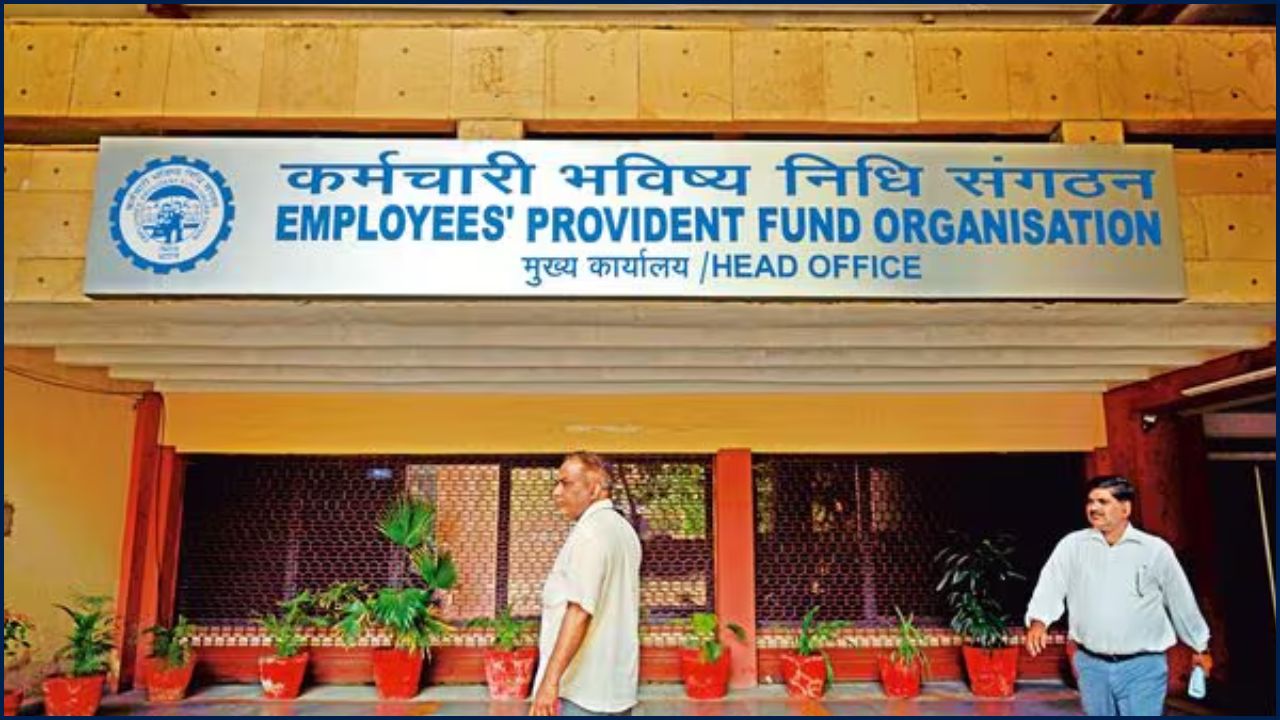
The Indian government is considering a substantial increase in the minimum pension provided under the Employees’ Pension Scheme (EPS-95), a move that could raise the monthly payment from ₹1,000 to ₹7,500. This proposed EPS-95 Pension Hike, a response to years of advocacy from retiree groups, was a significant point of discussion during the Union Budget 2025 proceedings and is now under active review.
Push for a Landmark Pension Increase
Millions of pensioners across India could see a transformative boost in their monthly income as the government deliberates on the landmark proposal. The suggested seven-fold increase to ₹7,500 per month is aimed at providing greater financial security and a life of dignity for the nation’s retirees.
This follows a sustained campaign by pensioner organizations who argue that the current government-mandated minimum of ₹1,000 is grossly inadequate to cover basic living expenses amid rising inflation. The demand was formally presented by the EPS-95 National Agitation Committee during pre-budget consultations with Finance Minister Nirmala Sitharaman in early 2025. In addition to the pension hike, the committee has also lobbied for the inclusion of a dearness allowance (DA) and free medical facilities for pensioners and their spouses.
The Financial Reality for Current Retirees
The urgent need for reform is starkly illustrated by official data. According to figures released by the Labour Ministry, the financial situation for a vast number of retirees is precarious. As of March 2025, out of approximately 8.15 million pensioners under the scheme, nearly half around 4.9 million individuals receive a meagre pension of less than ₹1,500 per month.
This data highlights a critical gap between the scheme’s intent and its actual impact, leaving many without the means for a secure retirement. The Employees’ Provident Fund Organisation (EPFO), which administers the fund, is at the center of discussions about how to finance such a significant increase in payouts.
How the EPS-95 Scheme Functions
The Employees’ Pension Scheme was established in 1995 to provide retirement security for employees in India’s organized sector. Here’s how it works:
- Contribution: While the employee contributes to their Provident Fund (PF), the employer contributes a matching amount. Of the employer’s share, 8.33% is redirected into the EPS account, subject to a statutory wage ceiling.
- Eligibility: An employee becomes a member of the EPS automatically if they are an EPFO member. To receive a pension after retirement (at age 58), they must have completed a minimum of 10 years of service.
- Pension Calculation: The monthly pension is determined by a formula based on the member’s pensionable salary and the number of years of pensionable service.
The term “PF Account Holders Get Double Pension” circulating in some reports is a misinterpretation. The proposal is not to double the pension amount for all, but to dramatically increase the minimum floor for pensions, lifting those at the lowest end of the scale.
Feasibility and the Path Forward
The proposal to increase the minimum pension to ₹7,500 gained significant traction during the Union Budget 2025 discussions. While some initial reports suggested the hike was approved for implementation from May 2025, the government has clarified that a final decision is pending a thorough review of the financial implications. The primary challenge lies in ensuring the long-term sustainability of the pension fund while meeting the immediate needs of retirees.
A high-level committee is reportedly examining the financial viability of the proposal. Any decision will likely require amendments to the existing scheme rules and may need clearance from the EPFO’s Central Board of Trustees before a formal notification is issued. While the final amount and timeline remain uncertain, the government’s active consideration marks a pivotal moment for millions of Indian retirees. The move addresses long-standing concerns about financial stability in old age and reflects a policy shift towards enhancing social security for the nation’s organized workforce.