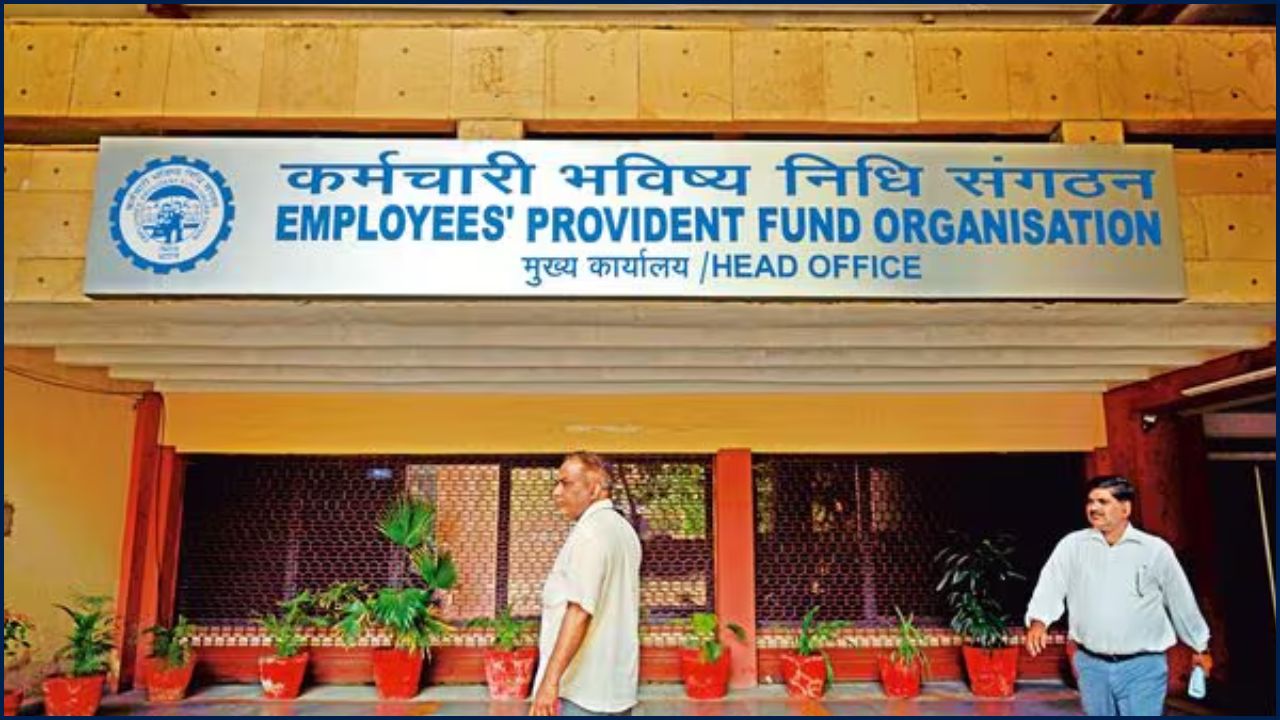
Withdrawing your Provident Fund (PF) is an important financial decision that can sometimes lead to unexpected income tax notices from the government. Many taxpayers face this issue because of common mistakes made during the withdrawal or tax filing process. To help you navigate this smoothly, here are two critical errors to avoid and practical tips to stay clear of tax complications.
Understand the Tax Implications Clearly
Not all PF withdrawals are tax-free. If you withdraw your PF amount before completing five continuous years of employment, the amount becomes taxable. This includes the employer’s contribution and earned interest, which must be shown as income when filing your income tax return (ITR). Neglecting this can cause discrepancies, leading the tax department to issue a notice.
To prevent this:
- Carefully report the taxable portion of your PF withdrawal in the correct section of your ITR.
- Ensure the ITR form you file corresponds to your income sources.
- Check that TDS (Tax Deducted at Source) details from withdrawals are accurately reflected in your return.
- Confirm all employer contributions and interest income are declared properly.
Incorrect or incomplete tax filings often raise red flags during scrutiny, making this the most common trigger for notices regarding PF withdrawals.
Ensure Accurate KYC and Bank Details for a Smooth Withdrawal
Mistakes in your personal information during the PF withdrawal process can create complications. Mismatched or outdated Aadhaar, PAN, or bank details associated with your Provident Fund account may cause delays or errors in payment processing. Such discrepancies can attract the attention of tax authorities, resulting in notices.
Key precautions include:
- Link your PAN and Aadhaar correctly to your Universal Account Number (UAN).
- Double-check your bank account and IFSC codes linked to your PF account.
- Get your KYC verified promptly by submitting documents through your employer or directly on the EPFO portal.
- Use the official EPFO online system to verify your details before applying for withdrawal.
These steps ensure a hassle-free withdrawal process and reduce the chances of scrutiny from tax authorities.
Additional Tips for Avoiding Tax Issues Post-PF Withdrawal
- Keep Your Employment Records Updated: Transferring your PF account during job changes prevents premature withdrawals that are taxed.
- Submit Form 15G/15H When Eligible: If your income is below the taxable limit, submitting these forms helps avoid TDS on PF withdrawals.
- Opt for Partial Withdrawals for Specific Needs: Certain partial withdrawals, such as for housing or medical expenses, are often tax-free if used correctly.
- Retain All Relevant Documents: Keep withdrawal forms, employment proofs, and TDS certificates handy in case you need to respond to any income tax notice.