Millions of Indian workers hold dormant Provident Fund (PF) accounts that have seen no contributions for years. Under the latest rules of the Employees’ Provident Fund Organisation (EPFO), an inactive PF account continues to earn interest, but account holders must take specific steps to reactivate it and secure access to their savings.
Why PF Accounts Become Inactive
The EPFO defines an account as inactive when no contributions are made for 36 months. This often happens when employees change jobs without transferring their PF balance, or if contributions stop due to unemployment. According to the Ministry of Labour and Employment, more than 80 million dormant accounts were identified by 2023.
While balances in inactive accounts accrue annual interest, account holders cannot access funds easily without completing reactivation procedures. Experts warn that outdated Know Your Customer (KYC) information and unlinked Universal Account Numbers (UANs) are common barriers.
How to Reactivate an Inactive PF Account
Link PF Accounts to UAN
The EPFO requires every employee to have a UAN that consolidates multiple PF accounts. Workers must ensure all previous accounts are linked. “Consolidation under one UAN is critical for transparency and ease of access,” said Anuradha Singh, a senior official at EPFO, in a press statement.
Update KYC Details
Account holders must seed Aadhaar, PAN, and bank account details with their EPFO profile. Mismatched or outdated records are among the most frequent causes of rejection during reactivation.
File a Request on the EPFO Portal
After updating KYC, users can log into the EPFO Member e-Sewa portal and submit a request through the “Inoperative Account Helpdesk.” The system generates an electronic request that may require verification from the previous employer.
When Employers Are Unavailable
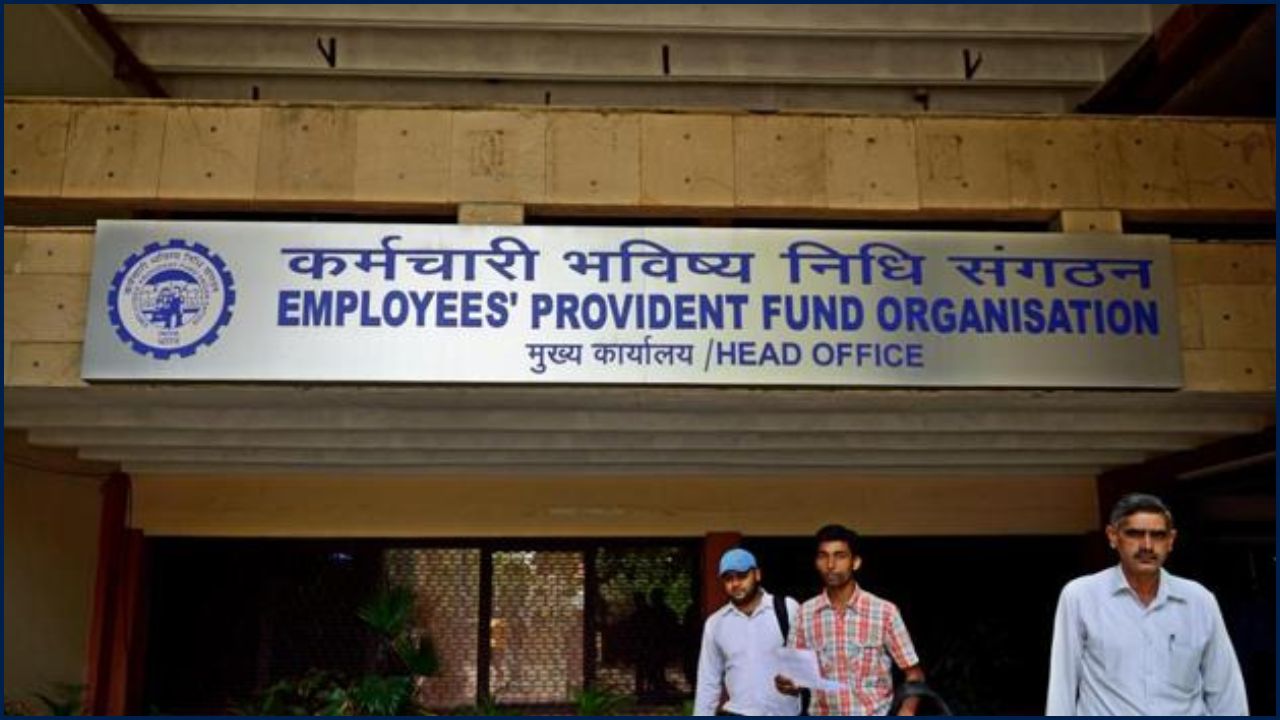
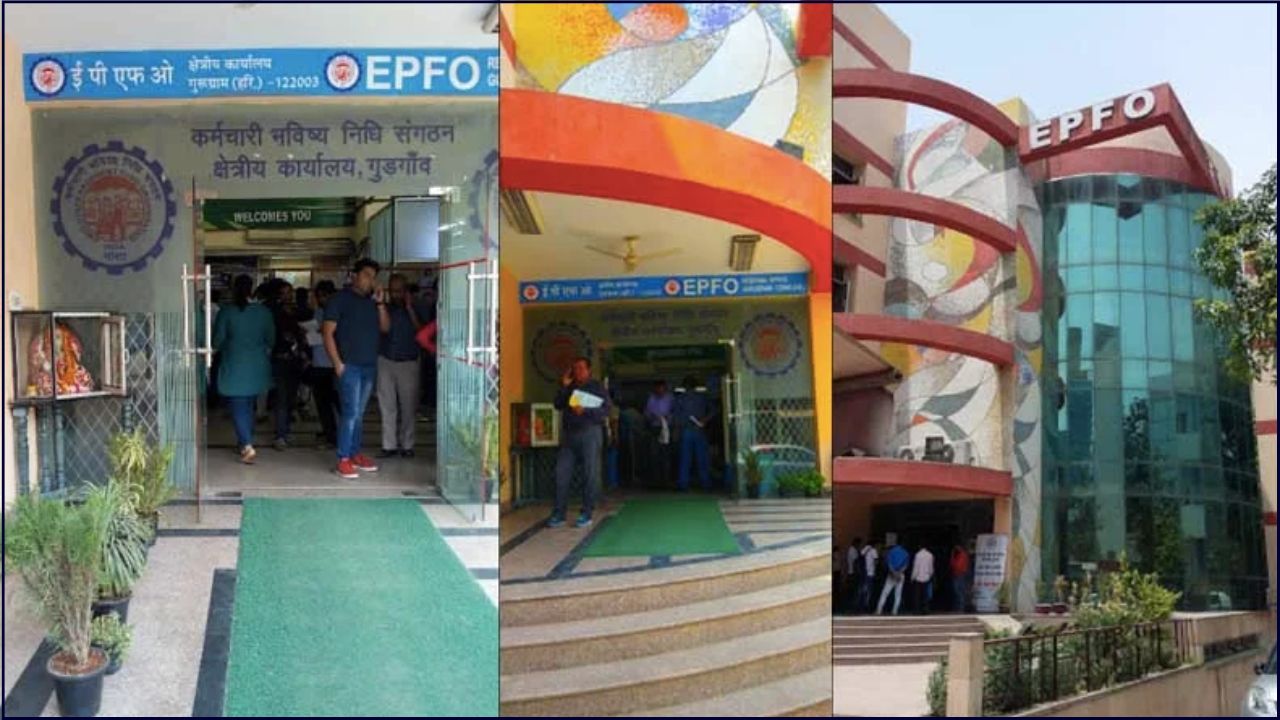
If a company has shut down or no longer exists, individuals must approach the nearest EPFO regional office. In such cases, manual verification of employment history and identity is mandatory.
Expert Views on Financial Implications
Analysts stress that inaction could delay workers’ ability to claim benefits at retirement. Ravi Mathur, a financial planner with Deloitte India, explained: “An inactive PF account is not a loss of money, but it is a potential administrative hurdle. Reactivation ensures smooth withdrawals and protects workers from disputes later.”
The government has also launched awareness campaigns urging workers to consolidate accounts. In 2024, the EPFO credited more than ₹90,000 crore in interest to member accounts, including dormant ones, demonstrating the importance of ensuring funds remain accessible.
Key Steps for Account Holders
- Verify UAN activation.
- Link all past PF accounts to the UAN.
- Update Aadhaar, PAN, and bank details.
- Submit an unblock request online or at an EPFO office.
- Keep employment proof such as salary slips or appointment letters ready.
The Broader Context
India’s social security framework relies heavily on the EPF system, which covers more than 270 million workers. As the job market becomes more fluid, inactive accounts are expected to rise unless consolidation becomes routine. Experts suggest that introducing automatic transfers tied to Aadhaar-linked employment records could prevent future dormancy.
Conclusion
Reactivating an inactive PF account requires administrative effort but protects long-term savings. With millions of workers affected, experts emphasise timely action. The EPFO has pledged to simplify procedures, but individuals remain responsible for ensuring updated records and consolidated accounts.