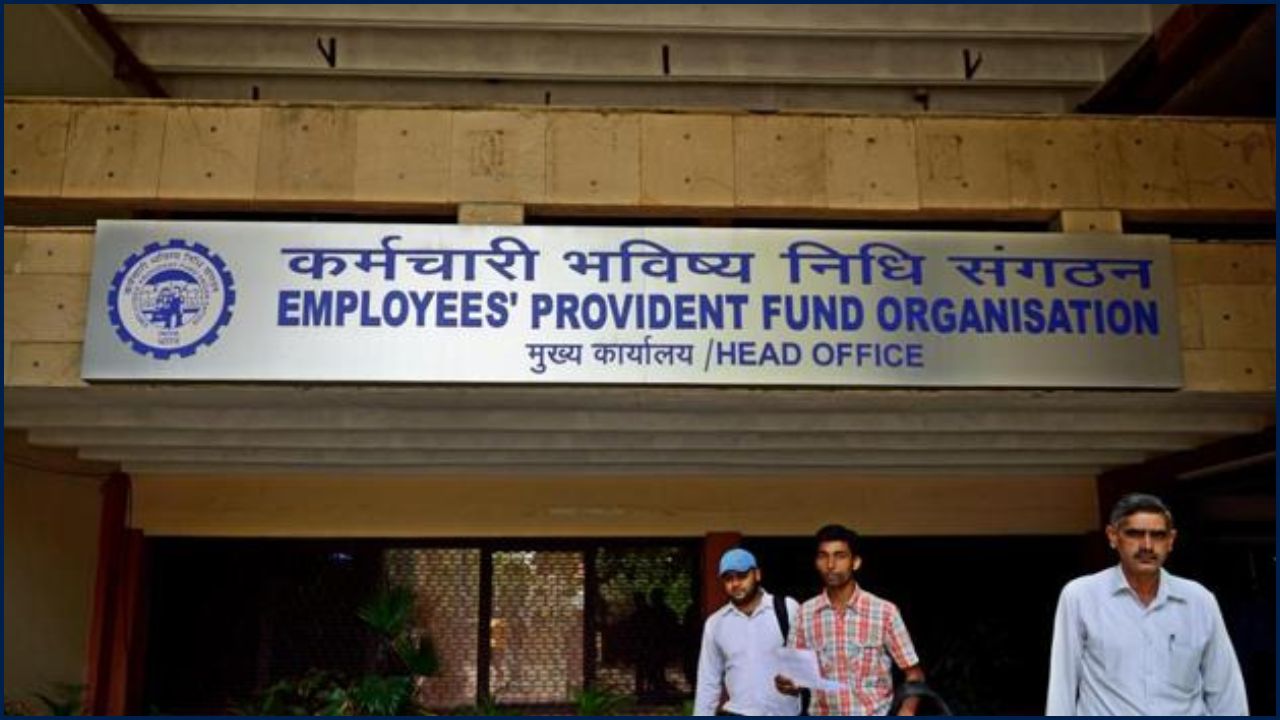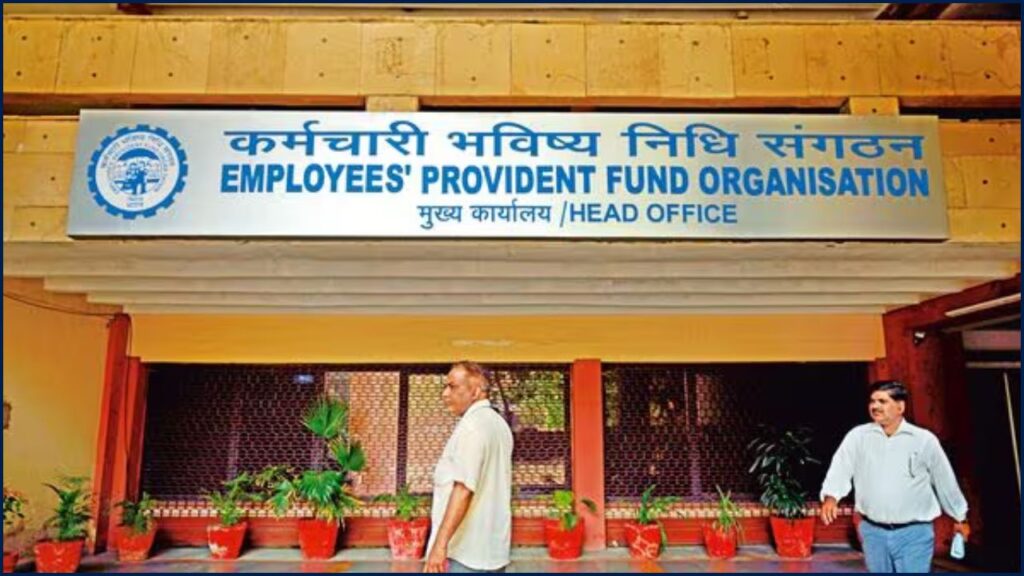
The Employees’ Pension Scheme (EPS-95) provides retirement income for millions of Indian workers, yet many remain unaware of its lesser-known benefits. Beyond superannuation, the scheme extends protections for families, disabled dependents, and those who leave service early.
Understanding the EPS Pension Scheme
The Employees’ Pension Scheme, introduced in 1995 by the Employees’ Provident Fund Organisation (EPFO), covers workers in establishments with 20 or more employees. Employers and employees contribute a portion of wages toward provident fund savings, with part of the employer’s share directed to EPS.
According to EPFO data, over 65 million members contribute to the scheme, making it one of India’s largest social security programmes. While retirement pensions are the most recognised feature, EPS also provides family pensions, disability coverage, and guaranteed minimum payments.
Hidden Benefits of EPS-95
Scheme Certificate for Portability
If a worker leaves employment before completing ten years of service, they can obtain a Scheme Certificate. This preserves pensionable service, allowing it to be added to future contributions in another job. The certificate ensures employees do not lose credit for earlier service.
Pension for Dependent Parents
If a member dies without a surviving spouse, child, or nominated beneficiary, the scheme permits pensions to be paid to dependent parents. This provision, often overlooked, provides critical financial support in cases where parents remain reliant on their children’s income.
Lifetime Support for Disabled Children
Children with permanent disabilities are eligible for a pension beyond the usual age limit of 25 years. In cases where both parents are deceased, or the spouse is ineligible, the child may continue to receive financial assistance for life.
Minimum Pension Guarantee
The government has notified a minimum monthly pension, ensuring no eligible member or family receives below a set threshold. This safeguard, though modest, provides a vital income floor for vulnerable households.
Weightage for Long Service
Members completing more than 20 years of contributory service receive an additional two years of pensionable service credit. This “weightage” increases the final pension calculation, rewarding long-term contributors.
Early, Deferred, and Family Pensions
Workers with at least ten years of service can opt for early pension starting at age 50, though benefits are reduced compared with the full pension at 58. Conversely, members may defer pension beyond 58, increasing monthly entitlements.
Family pensions apply if a member dies during service or after leaving employment but before drawing benefits. Widows, widowers, children, or orphans are prioritised, with dependent parents as a final safeguard. “The scheme is structured to ensure no family is left without support in case of the worker’s death,” said an EPFO official in a recent briefing.
Criticism and Challenges
Despite its breadth, EPS faces structural challenges. The pensionable salary is capped at ₹15,000 per month for contributions, limiting the pension for higher earners. The Indian Supreme Court has recently examined appeals on higher contributions, and policy reforms remain under discussion.
Analysts note that while EPS guarantees minimum pensions, amounts remain low compared to rising living costs. “For many families, the pension is symbolic rather than sufficient,” said Dr. Ritu Sharma, a labour economist at Jawaharlal Nehru University. Calls for an increase in the minimum pension are growing among trade unions.
Global and Social Context
India’s EPS scheme reflects broader global trends where governments balance fiscal sustainability with social protection. Comparable systems in other developing economies also face constraints from informal labour markets and rising longevity.
The International Labour Organization (ILO) estimates that fewer than 50 percent of older persons worldwide receive a pension. EPS, despite limitations, plays a vital role in bridging this gap for India’s formal sector workers.
Conclusion
The EPS Pension Scheme offers more than just retirement income. Its hidden benefits—covering dependent parents, disabled children, and portable service recognition—demonstrate its broader role as a social safety net. Yet questions of adequacy and reform remain pressing as India’s workforce evolves.