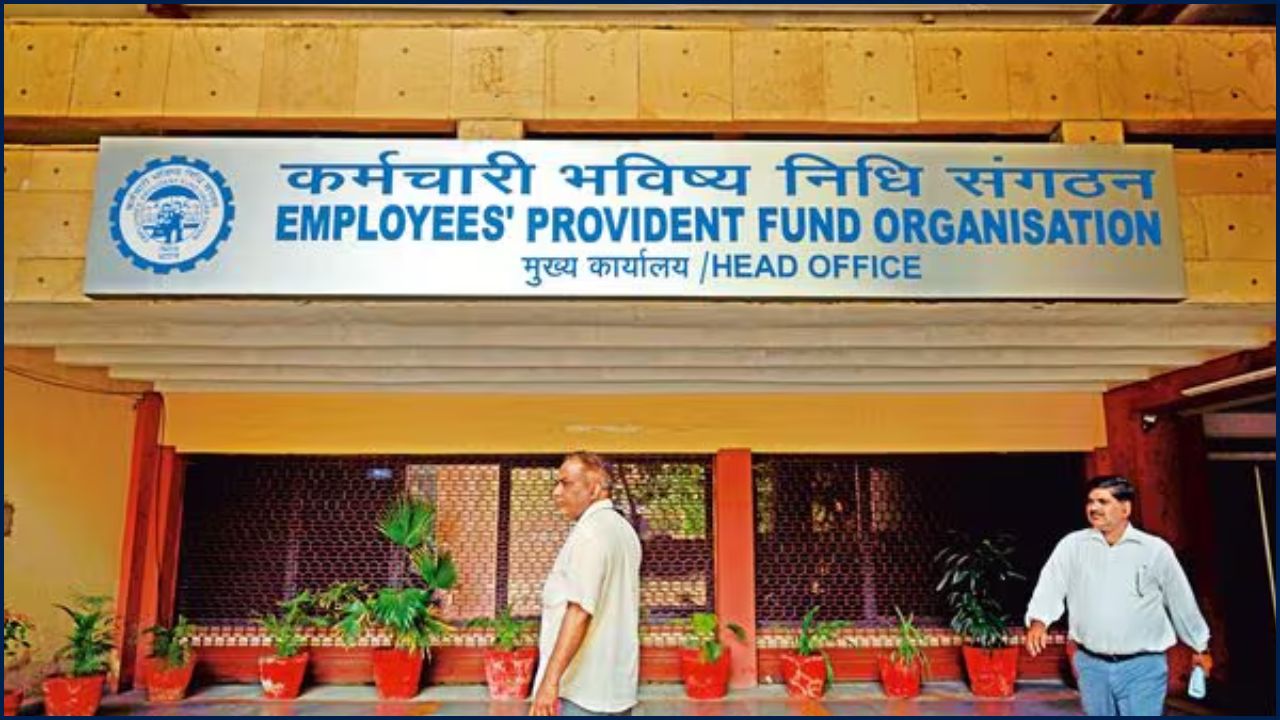
The Government of India is considering a proposal to raise the minimum pension under the Employees’ Pension Scheme, 1995 (EPS-95). Pensioners, many receiving only ₹1,000 per month, have long demanded an increase to at least ₹7,500. While officials acknowledge the need for relief, fiscal constraints and a widening actuarial deficit complicate prospect for approval.
What Is EPS-95?
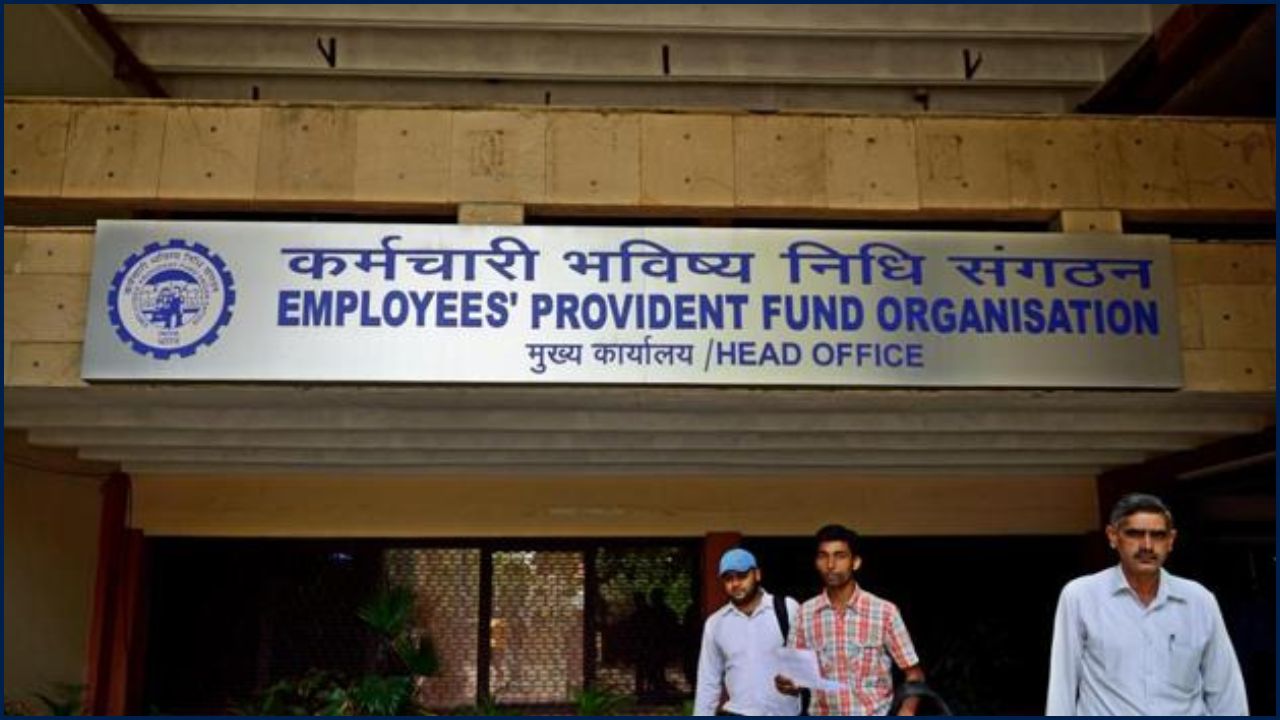
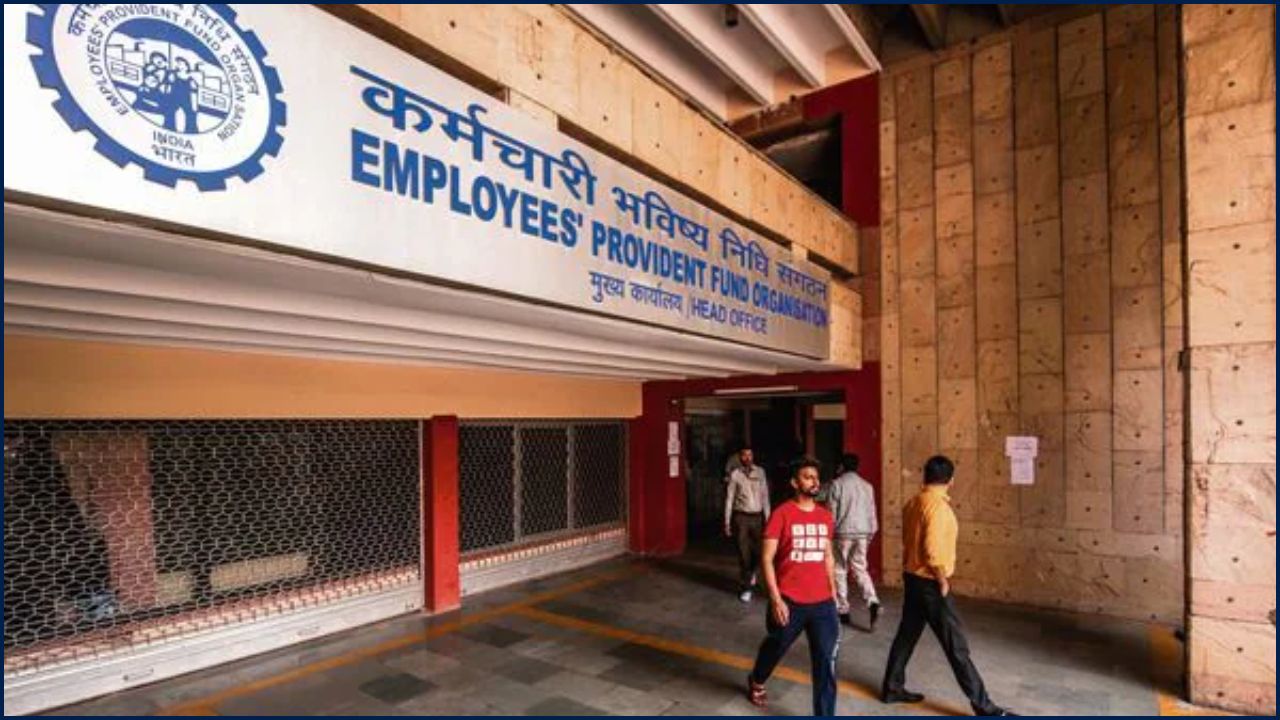
The Employees’ Pension Scheme, introduced in 1995, provides retirement benefits to workers covered under the Employees’ Provident Fund Organisation (EPFO). The scheme currently ensures a minimum pension of ₹1,000 per month, with government contributions supporting its viability.
However, according to the Ministry of Labour and Employment, the scheme suffers from an actuarial deficit, meaning liabilities outweigh contributions and assets. This financial imbalance is a central obstacle to expanding benefits.
Pensioners’ Demands and Proposals
Pensioners’ associations across India have repeatedly urged the government to raise the minimum EPS-95 pension to ₹7,500 per month, citing inflation and rising living costs.
Some groups have also demanded a one-time bonus of ₹50,000 for beneficiaries. “The present pension is not sufficient for survival, especially in urban areas,” said Shivkumar Sharma, president of the EPS-95 Pensioners’ Welfare Association, in a recent statement.
Government’s Position
In a written reply in the Rajya Sabha earlier this year, Labour Minister Bhupender Yadav acknowledged the concerns raised but highlighted the financial limits. “The actuarial evaluation as on March 31, 2019, shows a deficit. Any enhancement of minimum pension would require additional budgetary support,” the minister said.
The Central Board of Trustees (CBT) of EPFO has reviewed the matter several times, but no final decision has been announced. Officials say deliberations continue, balancing pensioners’ needs with fiscal responsibility.
The Fiscal Challenge
Deficit Concerns
According to EPFO documents, the scheme’s long-term viability is already at risk. Raising the pension significantly would require sustained government funding, potentially straining the budget.
Competing Priorities
The government currently contributes 1.16% of wages (up to the wage ceiling) towards EPS. Any increase would necessitate higher allocations, competing with infrastructure, health, and social welfare spending.
Legal and Administrative Complexities
The issue is further complicated by Supreme Court rulings on “pension on higher wages,” which allow some employees to draw benefits based on actual salaries beyond the wage ceiling. Implementing these judgments has already imposed administrative and financial pressure on EPFO.
Additionally, questions remain over whether all pensioners, including those retired before certain cutoff dates, would be eligible for revised pensions.
What Happens Next?
Experts suggest the government may adopt a phased approach. “It is unlikely that the pension will be raised directly to ₹7,500. A moderate hike is more feasible, with possible conditions attached,” said Dr. Anupam Gupta, economist at the National Institute of Public Finance and Policy.
Analysts also recommend indexing pensions to inflation, rather than relying on ad hoc revisions, to ensure sustainability.
Conclusion
The demand for an EPS-95 pension increase reflects growing frustration among retirees living on meagre benefits. While the government has signalled awareness of the issue, approval of the proposed hike remains uncertain due to financial and legal challenges. Pensioners may see incremental relief, but sweeping reform will depend on political will and budgetary room.