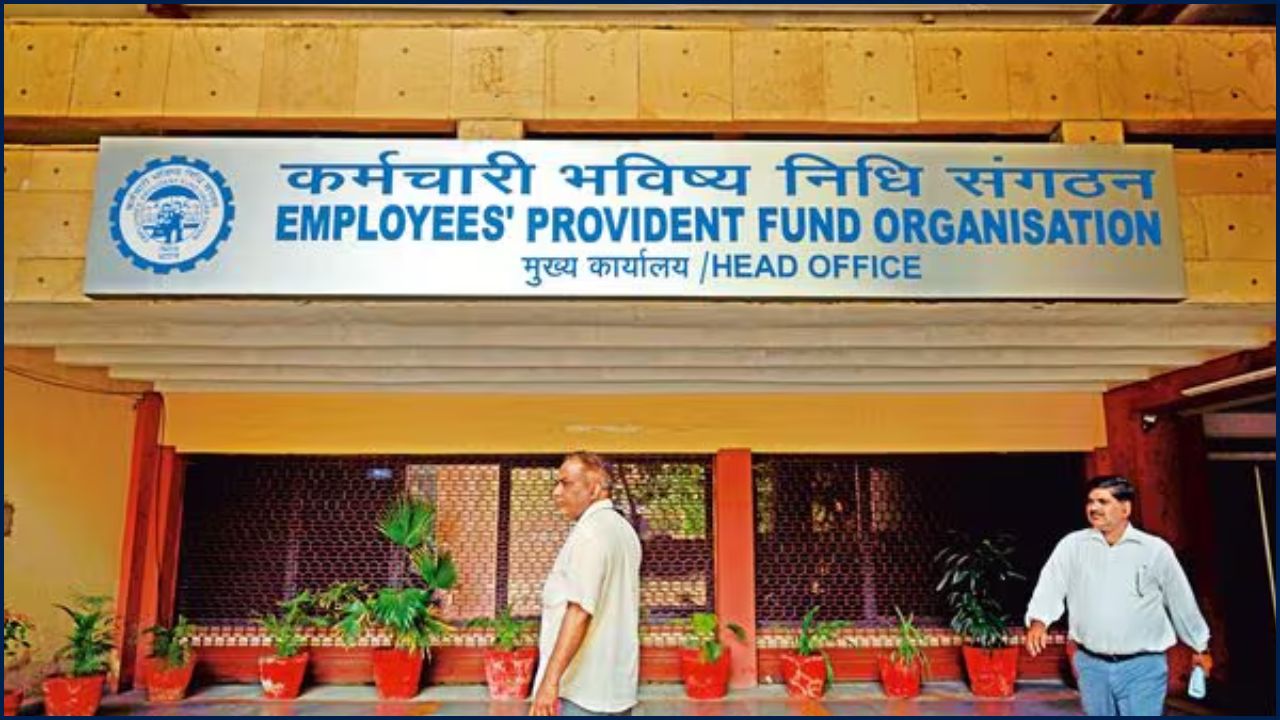
The EDLI Insurance Scheme, overseen by the Employees’ Provident Fund Organisation (EPFO), offers life cover to millions of Indian workers. Yet, despite providing up to ₹7 lakh to bereaved families, the benefit often goes unclaimed due to low awareness and administrative challenges.
What is the EDLI Insurance Scheme?
The Employees’ Deposit Linked Insurance (EDLI) Scheme was introduced in 1976 as part of the Employees’ Provident Fund (EPF) framework. It provides a lump-sum payment to the nominee or legal heirs of an employee who dies while in service.
Employers contribute 0.5 percent of an employee’s basic wages and dearness allowance to fund the scheme, capped at ₹75 per month. Employees themselves do not contribute.
“The EDLI acts as a social security net for workers, especially in the private sector, where individual life insurance is often limited,” said Dr. Renu Singh, professor of labour economics at Jawaharlal Nehru University, in an interview with The Hindu.
Coverage, Benefits, and Limitations
The maximum benefit under EDLI is ₹7 lakh. This is calculated as 30 times the employee’s average monthly salary over the previous year, plus a fixed bonus of ₹2.5 lakh. For employees earning above ₹15,000 per month, the benefit is capped.
Who is Eligible?
- Any employee enrolled under the EPF system.
- The scheme is compulsory unless the employer provides an equal or better group life insurance plan.
How Claims Work
Families must submit Form 5-IF alongside the death certificate and employer attestation. If the employer is unavailable, the form can be verified by a gazetted officer, magistrate, or bank manager.
Why So Few Employees Benefit
Despite its wide coverage, experts note several barriers that prevent families from accessing EDLI benefits.
- Low Awareness: Many employees are unaware of the scheme, assuming their EPF only covers retirement savings.
- Nomination Gaps: If no nominee is recorded in EPF accounts, families face lengthy legal procedures.
- Employer Practices: Some companies opt out by offering private insurance, which may not match EDLI’s benefits.
- Administrative Delays: Paperwork errors or missing attestations can stall claims for months.
“In several cases, families did not know of EDLI until years after a worker’s death,” said S. Raghavan, a Chennai-based labour rights advocate. “By then, evidence required for claims was often difficult to produce.”

Recent Policy Updates
In 2021, the Ministry of Labour and Employment increased the maximum payout from ₹6 lakh to ₹7 lakh. The government also introduced minimum assured benefits to support families of employees with shorter service tenures.
According to EPFO’s annual report, more than 60,000 claims were settled under EDLI in 2023–24, but activists argue that the figure is far below the eligible base of over 50 million EPF subscribers.
The Broader Context of Employee Benefits
The EDLI Insurance Scheme is part of India’s wider social security architecture, alongside the EPF pension and gratuity schemes. While these provide a safety net, India continues to face challenges in extending meaningful coverage to informal and gig workers.
“The scheme is valuable but incomplete,” said Ananya Banerjee, senior fellow at the Observer Research Foundation. “To strengthen India’s welfare system, awareness campaigns and simplified claims processes are as important as increasing financial benefits.”
Conclusion
The EDLI Insurance Scheme remains one of the least understood yet potentially life-saving employee benefits in India. Experts say greater awareness, streamlined administration, and better coordination with employers are critical to ensuring that families can access the support they are legally entitled to.